
KNEE ARTHROSCOPY (OR KEYHOLE SURGERY) IN PLYMOUTH

“Knee Arthroscopy surgery allows Mr Stitson to view or repair the knee joint without making a large incision through the skin.”
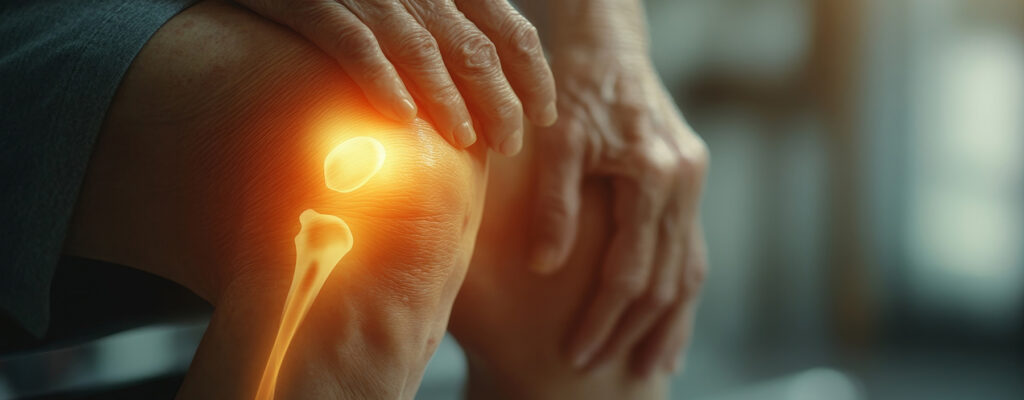
Knee arthroscopy is a type of keyhole surgery used to diagnose and treat knee problems, such as pain, swelling, and instability.
What is a knee arthroscopy?
A knee arthroscopy is a minimally invasive surgical procedure used to treat a range of knee injuries including ongoing knee pain and osteoarthritis. It is sometimes also used as a diagnostic procedure.
Mr Stitson will make a small incision and then insert a long, thin tool with a camera on the end. The camera shows images of the inside of your knee, which helps Mr Stitson make a diagnosis of your injury.
Mr Stitson performs a variety of arthroscopic operations on the knee, including meniscectomy, chondroplasty, drilling or microfracture, removal of loose bodies and diagnostic procedures.
Why is a Knee Arthroscopy Performed?
An arthroscopy can be done for a number of reasons.
- To find the cause of knee problems.
- To check the health of the knee joints.
- To repair damage to the knee joints.
Mr Stitson may also:
- Treat your knee – he may repair or remove any damaged tissue and cartilage (meniscus).
- Take small tissue samples (biopsies) – these help to diagnose problems such as infections.
- Perform some more complicated surgery – this includes surgery to repair torn knee ligaments or to treat an unstable kneecap.
Find the cause of knee problems
An arthroscopy is often done to check what’s causing symptoms such as:
- Joint pain.
- Swelling and stiffness.
- Joints locking, moving out of position or giving way.
You will usually only have this procedure if other types of tests, such as X-rays, have not found anything.
Check the health of your joints
Sometimes Mr Stitson will do an arthroscopy to see how well a joint is working.
This can help if you have:
- Damaged your joint, for example, a sports injury.
- A condition that can damage joints over time, such as osteoarthritis.
Repair damage to your joints
Mr Stitson may be able to repair some joint damage during the arthroscopy.
This can include:
- Removing damaged sections of the tough tissue covering the surface of your joint (cartilage).
- Repairing tears to the strips of tissue connecting the bones of your joint (ligaments).
- Using a sterile liquid to wash out damaged bits of tissue stopping the joint from working properly.
AT A GLANCE
⏰ A knee arthroscopy procedure typically takes between 1 and 2 hours.
🏨 You will be required to stay in the hospital for 1-2 nights, however, you may have to stay longer if required. Day case procedures may be appropriate in some cases depending on patient suitability.
💰 Prices start from £4,572 including a pre-assessment, treatment and post-discharge care.
Finance is available through the Nuffield Hospital in Plymouth.
BOOK YOUR CONSULTATION BELOW
“After around two to three weeks, you may be able to do activities such as walking, swimming, gentle cycling and light exercise, as long as you’re comfortable. You should avoid impact sports for at least six weeks.”
Advantages and Disadvantages of Knee Arthroscopy
Advantages of a Knee Arthroscopy
An arthroscopy is primarily used to clarify knee problems and examine knee joint injuries. Here are the five most significant advantages of scheduling a knee arthroscopy.
- No wait time
An arthroscopy is helpful because it allows Mr Stitson to treat any damage or injuries as soon as they are diagnosed. You no longer have to be diagnosed and treated months apart. - Low risk
The risk of an arthroscopy is limited. Depending on the severity of your knee problem and the required procedure, recovery time and prognosis may differ. - Minimally invasive
As part of arthroscopy, Mr Stitson will perform any operations with the help of tiny instruments, which are usually introduced into the joint through additional skin incisions. This procedure is also known as minimally invasive surgery or keyhole surgery. - Less stress
Compared to the open surgical procedure, it has the advantage that healthy joint structures are spared, and your body is less stressed. This means any pain after the operation is minor, and the healing time is generally shortened. - Less pain and quick recovery
A knee arthroscopy treatment isn’t invasive, and for most patients, it’s finished in less than one hour. This is a same-day procedure, meaning you can go home afterwards, without waiting around in the hospital. Using an ice pack on your knee once you’re home will minimise pain and reduce swelling.
Disadvantages of a Knee Arthroscopy
The possible complications following a knee arthroscopy include:
- Infection
The risk of infection from arthroscopic knee surgery is very small. Arthroscopy reduces the risk of infection due to the small incisions needed for the arthroscope to pass through. - Thrombophlebitis (clots in a vein)
The risk of developing blood clots after knee arthroscopy increases in patients who have blood disorders or genetic conditions that make them prone to clotting. For patients with no blood disorders, the risk is very low. - Progression of cartilage damage
Many people who undergo arthroscopic knee surgery have some early damage to the cartilage of their knee joint. Arthroscopic surgery is not a good treatment for arthritis, and many people who have arthritis will have a progression of their condition. Sometimes, patients who have arthroscopic surgery can have a more rapid progression of arthritis following their treatment. - Nerve damage
Mr Stitson will make tiny incisions around the front of the knee to perform the arthroscopy. While there is a risk of nerve damage from the procedure, the keyhole approach reduces this as the major nerves and blood vessels are located in the back of the knee. - Pain, swelling and stiffness
A very small percentage of patients experience pain, swelling, and stiffness even after surgery.
WHAT OUR PATIENTS SAY...
Mr David Stitson is in Private Practice at Nuffield Health Plymouth Hospital, Derriford Road, Plymouth, PL6 8BG.
He accepts new patient referrals directly from patients, via GP referral, on recommendation from your private medical insurer or via other practitioners including physiotherapists, Osteopaths or chiropractors.
Please do get in touch with us to enquire about an appointment or a procedure.