
From Consultation to Recovery
Your step-by-step patient journey for private hip and knee surgery in Plymouth (Devon & Cornwall).
What to Expect: From Initial Consultation to Recovery
Your step-by-step patient journey
Step-by-step patient journey timeline
Choosing hip surgery or knee surgery, (or even just exploring it), can become overwhelming. This guide explains what typically happens from your first consultation with Mr Stitson through to your recovery — including timelines, what’s involved at each stage, common milestones, and the risks you need to be aware of.
Important: Every patient is different. Your plan and recovery timeline will be personalised based on your diagnosis, health, fitness, and the procedure recommended.
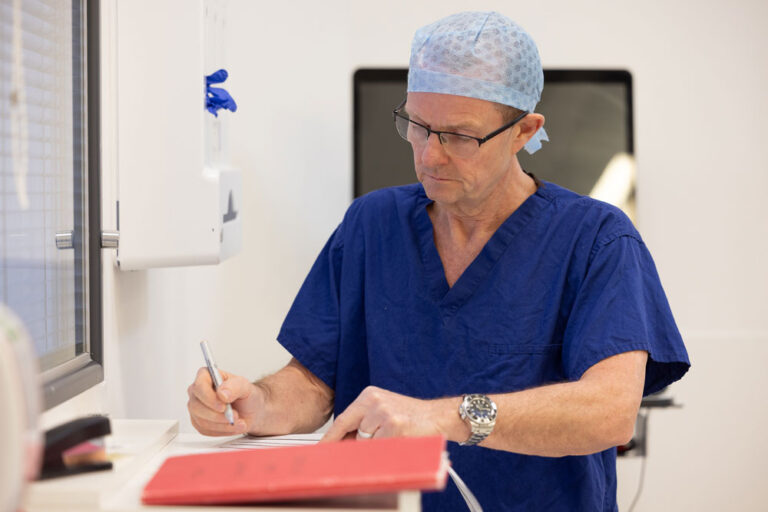
Step 1 — Enquiry & appointment booking (up to 1 week)
What happens
- You contact the clinic via phone/email/website form
- The team helps you book an appointment and explains what to bring
- If you have private medical insurance, you’ll be advised what details may be required
What you can do to prepare
- Gather any recent scans, X-rays, clinic letters, medication lists
- Keep a journal detailing symptoms: when they started, pain level, what worsens them, what helps
Step 2 — Initial consultation (typically 30–45 minutes)
What happens
- A detailed discussion of your symptoms, goals, lifestyle, and medical history
- Physical examination (movement, stability, gait, pain triggers)
- Review of imaging (or arrangement of investigations if needed)
- Clear explanation of your diagnosis and treatment options
Possible outcomes
- Reassurance and advice (if surgery isn’t needed)
- A plan for non-surgical treatment (physio, injections, pain management)
- Further investigations (X-ray, MRI, blood tests)
- Discussion of surgery as a potential next step
You’ll leave with
- A clear understanding of what’s going on
- Your options, likely outcomes, and next steps
- Time to ask questions and consider decisions

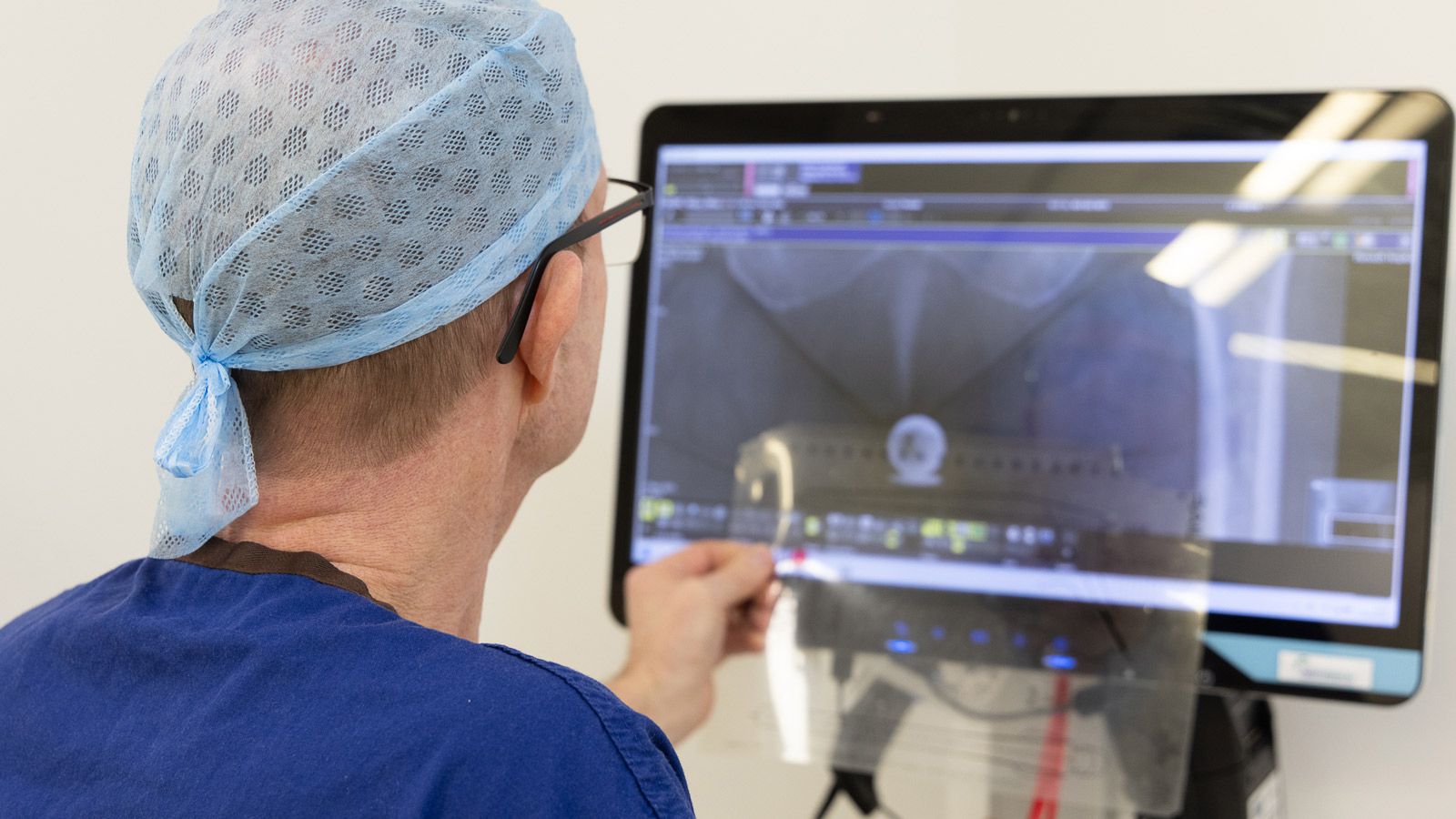
Step 3 — Investigations & decision-making (1–3 weeks)
What happens
- Imaging or tests are arranged if required
- You may be offered a follow-up to review results
- If surgery is appropriate, the recommended procedure is explained in full:
- what it involves
- benefits and alternatives
- expected recovery timeline
- risks and how risks are reduced
This is the right time to ask
- “What are the realistic outcomes for me?”
- “How long before I can drive/work/exercise?”
- “What could delay recovery and how do we prevent it?”
Key joint treatments offered & delivered by Mr Stitson
Total Knee Replacement
Suitable for those who find it difficult to perform simple activities like walking or climbing stairs or those who suffer from pain and stiffness due to arthritis.
Revision Knee Surgery
Knee revision surgery is for people who have already had a knee replacement. It is usually necessary when their original implant has failed.
Knee Arthroscopy
Key-hole surgery aimed at those suffering from knee pain, stiffness, swelling or instability in their knee, including age-related, or incidents due to sports or accidents.
Partial Knee Replacement
Only one side of the knee joint is replaced, suitable for patients with damage limited to one area of the knee.
Total Hip Replacement
Recommended for those who are experiencing significant hip pain, stiffness and reduced mobility due to conditions such as osteoarthritis, hip dysplasia, and hip fractures.
Revision Hip Replacement
If you had a new hip more than a decade ago, hip revision replacement surgery might be something to consider. The surgery can also help to correct infection, hip fracture and hip dislocation.
Step 4 — Pre-operative preparation (2–6 weeks before surgery)
What happens
- Pre-op assessment (often with nursing team / anaesthetics depending on pathway)
- Review of medications (especially blood thinners)
- Planning your discharge and home set-up
- Advice on “prehab” exercises if suitable
Common pre-op checklist
- Arrange help at home for the first week
- Prepare meals, clear trip hazards, set up a comfortable recovery space
- Stop smoking (if relevant) — improves healing and reduces complication risk
- Optimise general health (sleep, nutrition, movement)


Step 5 — Surgery day
What happens
- Admission and final checks
- Anaesthetic and procedure
- Early mobilisation where appropriate (often same day or next day)
- Pain control plan and physio guidance begin immediately
What you might experience
- Tiredness, soreness, swelling, and stiffness are normal early on
- You’ll be supported with pain relief, movement guidance, and safety checks
Step 6 — Hospital stay & discharge (Same day to 3 days, varies by procedure)
What happens
- Physiotherapy: safe walking, stairs, exercises
- Monitoring for early complications
- Discharge planning: medications, wound care, mobility aids, follow-up plan
Typical discharge criteria
- Safe mobilisation
- Pain controlled with tablets
- Wound satisfactory
- Clear plan for rehab and follow-up


Step 7 — Recovery & rehabilitation (Weeks to months)
Recovery is a process, not a single finish line. Most patients improve steadily, but it’s normal to have “good days and slower days”. Below are some typical milestones Mr Stitson will tailor to you:
Early recovery (Weeks 1–2)
- Swelling, stiffness, and fatigue are common
- Focus on pain control, gentle movement, and rest
Progressive improvement (Weeks 3–8)
- Increasing confidence with walking and daily activities
- Strength and mobility improve steadily with physio
Functional recovery (2–3 months+)
- Return to work and hobbies (timing varies)
- Ongoing gains in strength and comfort
