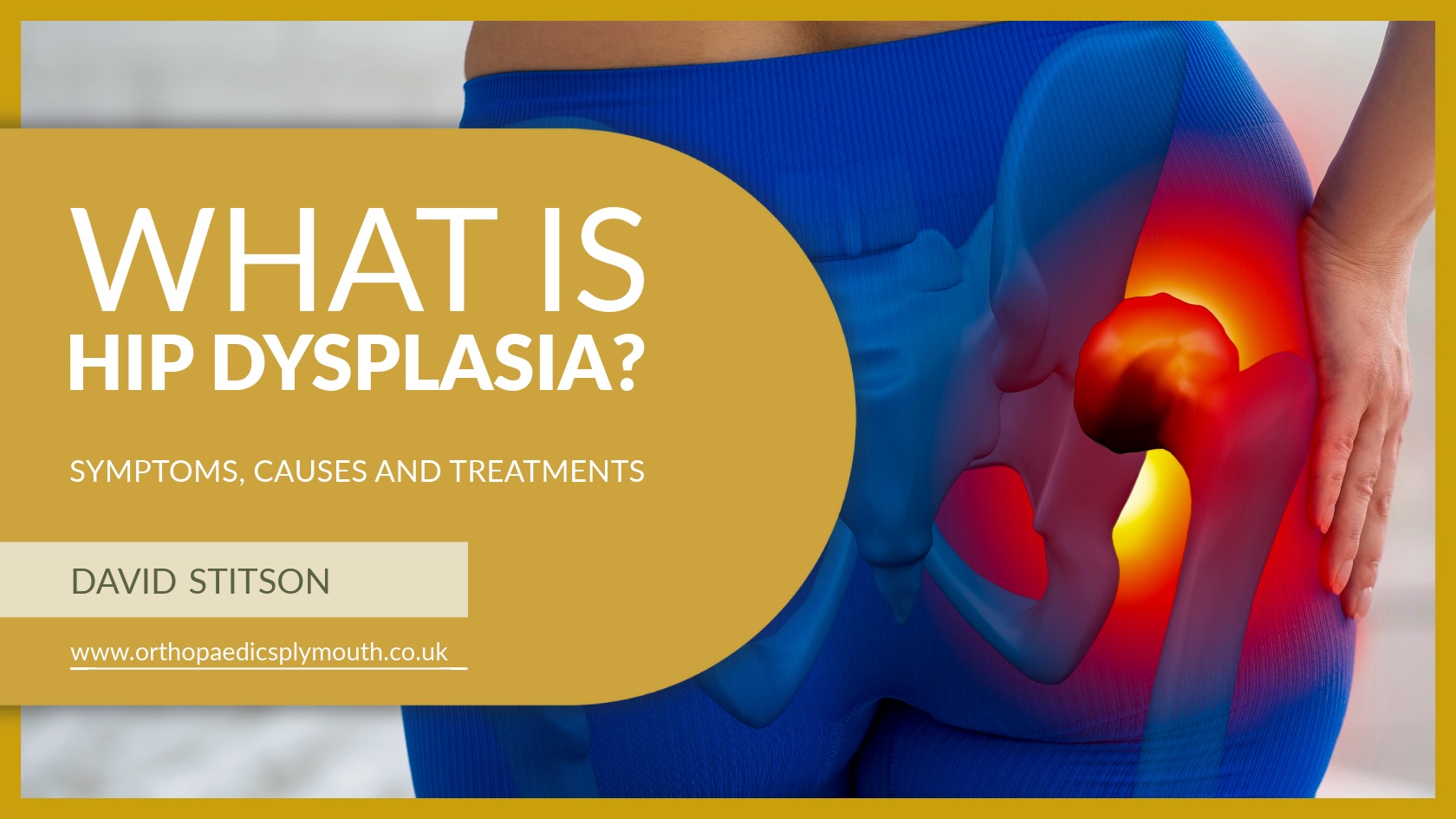
Symptoms, Causes and Treatments for Hip Dysplasia
Hip dysplasia is a condition that affects how the hip joint develops and functions. While it is commonly associated with babies and young children, if you have hip dysplasia it persists into adulthood and may even be diagnosed later in life—often when symptoms such as hip pain, stiffness or reduced mobility begin to interfere with everyday activities.
Contents
ToggleThis guide explains what hip dysplasia is, the symptoms to look out for, what causes it, and the treatment options available, with a focus on helping patients make informed decisions about their hip health.
Hip dysplasia can affect one or both hips and varies widely in severity—from mild structural changes to significant joint instability.
What Is Hip Dysplasia?
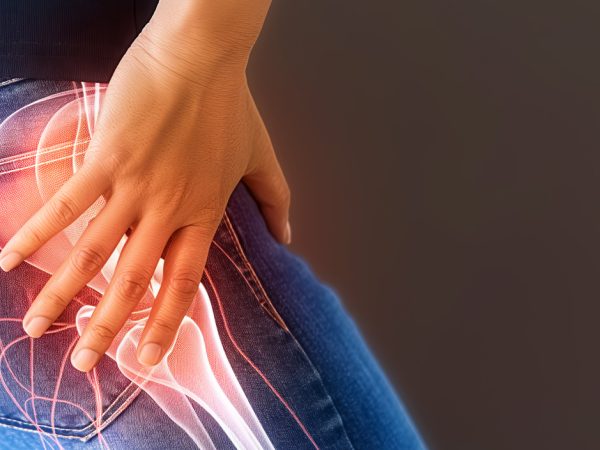
Hip dysplasia occurs when the hip joint does not form properly. The hip is a ball-and-socket joint, where the rounded head of the femur (thigh bone) should fit snugly into the hip socket (acetabulum). In hip dysplasia, the socket is too shallow or poorly shaped, meaning the ball is not adequately contained.
This abnormal fit places increased stress on the joint, which can lead to instability, cartilage damage and premature wear and tear. Over time, this may progress to hip osteoarthritis, particularly in untreated or severe cases.
Hip dysplasia can affect one or both hips and varies widely in severity—from mild structural changes to significant joint instability.
Symptoms of Hip Dysplasia
The symptoms of hip dysplasia can differ depending on age and severity. Some people experience symptoms from childhood, while others may not notice any issues until adulthood.
Common symptoms include:
- Persistent hip or groin pain
- Pain that worsens with activity or prolonged standing
- Stiffness or reduced range of motion in the hip
- Clicking, catching, or grinding sensations
- Limping or altered walking pattern
- Pain that radiates to the thigh, knee, or buttock
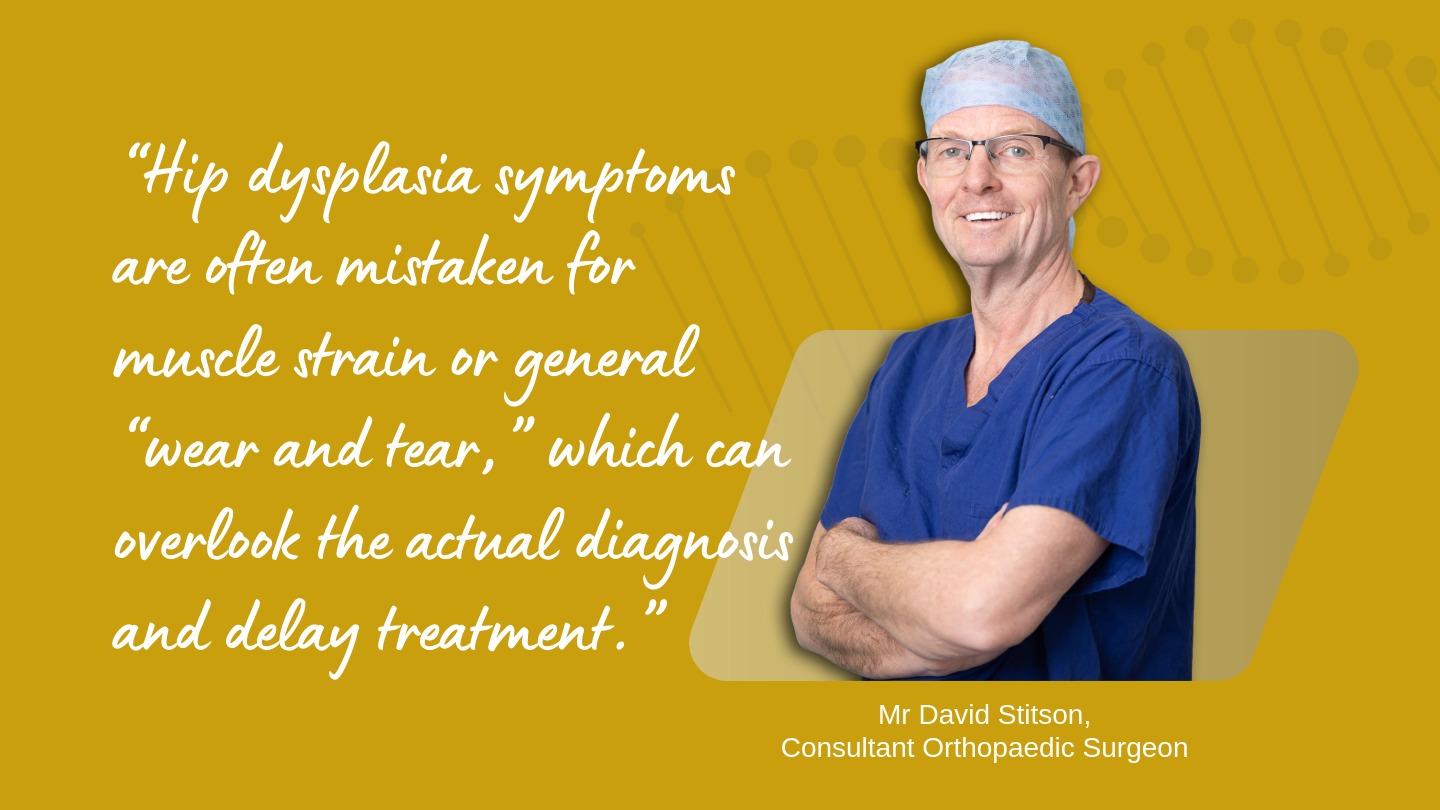
In adults, symptoms are often mistaken for muscle strain or general “wear and tear,” which can overlook the actual diagnosis and delay treatment.
Causes of Hip Dysplasia
Hip dysplasia is a developmental condition, meaning it develops before or shortly after birth. However, several factors can increase the risk.
Common causes and risk factors include:
- Genetics – a family history of hip dysplasia
- Breech position during pregnancy
- First-born children, due to tighter space in the womb
- Female sex, as hormones can affect joint laxity
- Swaddling practices that restrict hip movement in infancy
Hip dysplasia is commonly picked up in infancy but in some, mild dysplasia may go undetected for years until joint damage begins to cause pain and mobility issues.
How Hip Dysplasia Is Diagnosed
Accurate diagnosis is essential to determine the most appropriate treatment. Hip dysplasia is typically diagnosed using a combination of clinical assessment and imaging.
Diagnostic methods include:
- Physical examination to assess movement, stability, and pain
- X-rays to evaluate the shape and alignment of the hip joint
- MRI or CT scans to assess cartilage damage and soft tissues
Early diagnosis can significantly improve long-term outcomes by slowing or preventing hip joint deterioration.
Treatment Options for Hip Dysplasia
Treatment for hip dysplasia depends on factors such as age, severity of the condition, level of pain and extent of joint damage. The aim is to relieve symptoms, improve function and protect the hip joint for as long as possible.
Non-Surgical Treatments
For mild to moderate hip dysplasia, non-surgical management may be effective:
- Activity modification to reduce joint stress
- Physiotherapy to strengthen hip and core muscles
- Pain relief and anti-inflammatory medication
- Image-guided hip injections to reduce inflammation
These treatments can help manage symptoms but do not correct the underlying structural problem.
Surgical Treatments
When symptoms are severe or conservative treatments fail, surgery may be recommended.
Surgical options include:
- Hip preservation surgery (such as periacetabular osteotomy) to improve joint alignment
- Hip arthroscopy to treat cartilage or labral damage
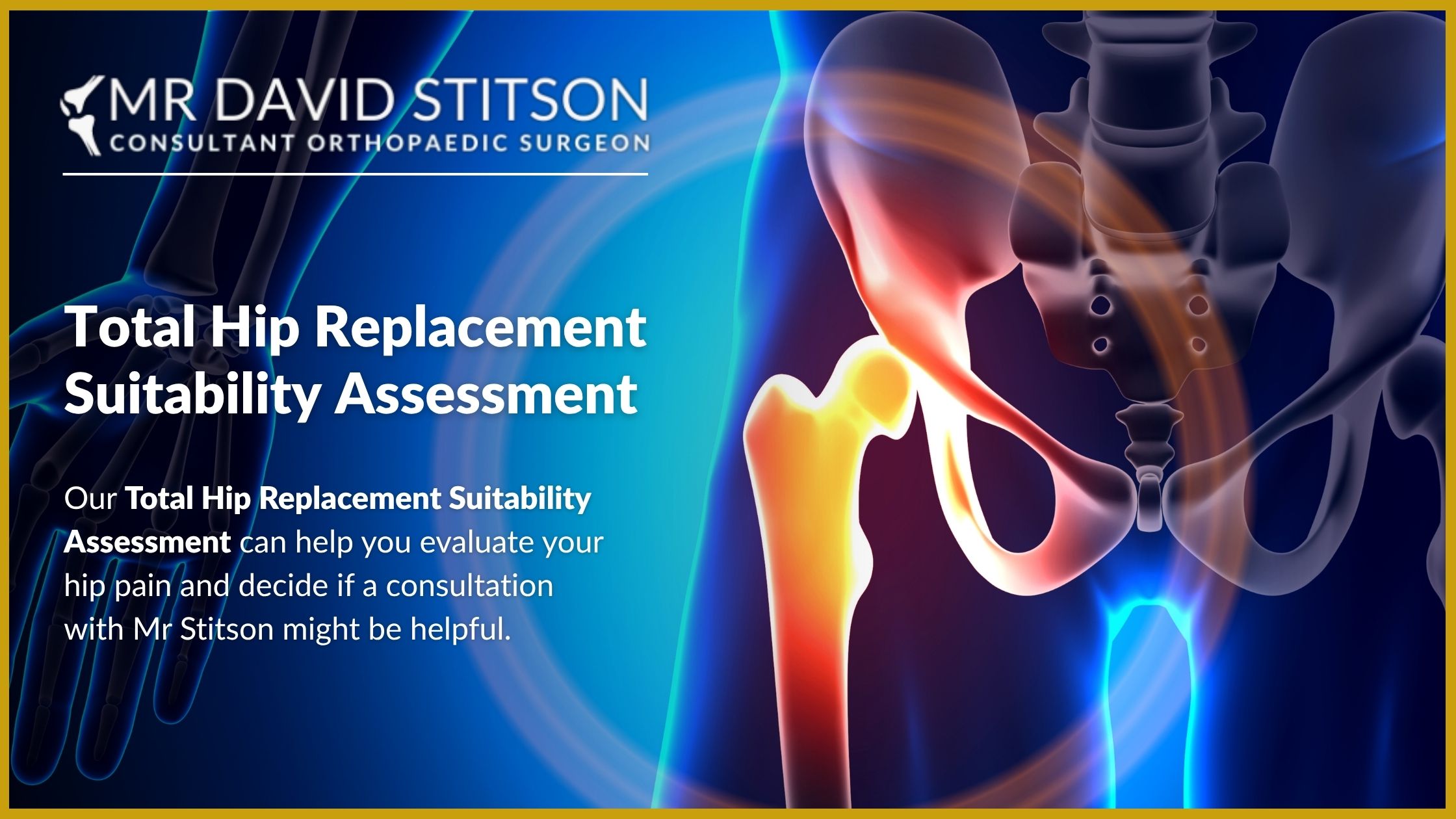
- Total hip replacement for advanced arthritis or significant joint degeneration
The most appropriate procedure depends on the patient’s age, activity level, and degree of joint damage.
Living With Hip Dysplasia
Living with hip dysplasia can be challenging, particularly if pain limits mobility or affects quality of life. However, with the right treatment plan, many people can return to an active and comfortable lifestyle.
Early assessment by a specialist such as Mr Stitson is key. Addressing hip dysplasia before significant arthritis develops may help preserve the natural joint and delay or avoid the need for hip replacement surgery.
When to Seek Specialist Advice
If you are experiencing persistent hip pain, stiffness, or reduced mobility—especially if symptoms are worsening—it is important to seek professional assessment. Early diagnosis of hip dysplasia allows for a wider range of treatment options and better long-term outcomes.
A specialist hip consultation can help determine whether hip dysplasia is contributing to your symptoms and guide you toward the most effective treatment plan.
Take the Next Step…
If hip pain is stopping you from doing the things you love, book a consultation with Mr Stitson to discuss your options.
– Consult Your GP: If you are experiencing hip pain and are considering surgery, start by booking an appointment with your GP. They will be able to refer you to a specialist if needed.
– Understand Your Options: There are the key avenues you can explore to speed up your access to hip surgery contributing to a swifter recovery and getting you back on your feet sooner.
– Do Your Research: Familiarise yourself with different types of hip replacement procedures and what each involves.
– Speak with Mr Stitson: Book a consultation with David Stitson, a consultant orthopaedic surgeon based in Plymouth, to discuss what might be the best approach for you personally. He will provide detailed information specific to your situation.
– A consultation helps you understand:
- What is causing your pain
- Whether hip surgery is appropriate
- Alternatives to surgery
- Expected recovery and outcomes
Surgery may sound daunting, but for many, it provides much-needed relief and the chance to regain mobility. This step can be pivotal in improving your quality of life, helping to reduce pain and stiffness dramatically.
By addressing the underlying issues, hip surgery can pave the way for a more active lifestyle, allowing you to return to the activities you love without the constant concern of hip pain holding you back.
Taking action now may help you regain confidence, mobility and quality of life.
Get Private Orthopaedic Surgery in Plymouth in just 4-6 weeks
⇒ Consultation in 7 days or less
⇒ Consultation to surgery, 4-6 weeks
About Hip Surgery
Total hip replacement surgery replaces the worn-out painful and stiff hip joint with a new prosthetic joint. This procedure is normally performed under spinal anaesthesia and is commonly followed by a night or two in the hospital. Day-case hip replacement surgery may be an appropriate option for you.

About Mr Stitson
David Stitson is a Plymouth-based Consultant Trauma and Orthopaedic Surgeon. Trained both in the UK and internationally, he has worked in medicine for more than 20 years for the NHS, for the Royal Air Force and in private practice. Mr Stitson operates privately at the Nuffield Health Hospital, Plymouth.

Are you ready to Take the Next Steps to improve your mobility?
Living with constant hip pain is not something you have to accept as part of ageing. Many people in their late 60s and 70s find that a private hip replacement restores their mobility and transforms their quality of life.
📞 To discuss your symptoms and explore whether hip replacement surgery is the right option for you, contact Mr David Stitson, Consultant Orthopaedic Surgeon, at the Nuffield Hospital, Plymouth.
- Call: 01752 761818
- Visit: www.orthopaedicsplymouth.co.uk
- Email: enquiries@orthopaedicsplymouth.co.uk
Take the first step towards a more comfortable, active life today.
The Nuffield Plymouth CQC Rating
The Nuffield Hospital has a history that spans over half a century and has built a reputation for high standards of care, professionalism and expertise in delivering health services. They aim for continuous quality improvement in everything they do.
Active Quality and Governance programmes are in place at the Nuffield Hospital Plymouth. As part of this, the hospital is inspected by independent healthcare regulators to ensure it meets the fundamental standards of quality and safety as determined by the regulating body (CQC).
In the most recent inspection, Plymouth Nuffield Hospital was rated as ‘Good’ overall, however, the surgical element of the inspection was rated as ‘Outstanding’. The hospital was referred to as:
“Outstanding in effective and caring, and
Good in safe, responsive and well-led.”