
Consultant Orthopaedic Surgeon, Mr David Stitson, Explains All
Knee surgery can be a significant step in managing joint health, whether due to injury, degenerative diseases like arthritis, or other conditions. It is essential to understand both the benefits and risks of knee replacement surgery as it offers numerous advantages to those enduring chronic knee pain. For many patients, relief from persistent knee pain is life-changing, enabling them to engage in activities they previously avoided. Advancements in medical technology have improved surgical techniques, making them safer and more effective, potential risks remain.
Contents
ToggleBy examining the benefits and risks of knee replacement surgery, individuals can make more informed decisions about their health and future mobility needs.
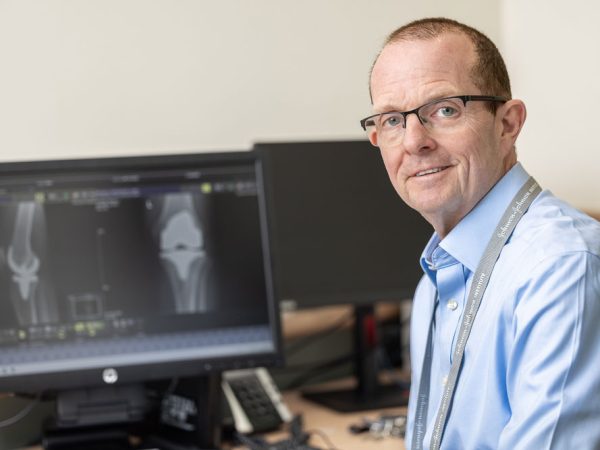
“For many patients, the relief from persistent knee pain is life-changing, enabling them to engage in activities they previously avoided.”
The Benefits of Knee Replacement Surgery
Knee surgery can offer numerous advantages to those enduring chronic knee pain or injury. Such benefits can significantly enhance daily life, making surgery a viable option for many individuals seeking to improve joint health. We explore some of the noteworthy benefits of knee surgery.
Pain Relief
One of the most compelling reasons individuals consider knee surgery is the significant pain relief it often provides. Chronic knee pain, whether due to arthritis or injury, can be debilitating and hinder day-to-day activities. Surgical procedures, such as knee replacement or arthroscopy, can sinficantly reduce or even eliminate pain.
Through surgery, damaged cartilage is often removed and replaced with implants or smoothed to restore the knee’s function. Such interventions can target the root causes of pain effectively. For many patients, this relief from persistent discomfort is life-changing, enabling them to engage in activities they previously avoided.
Improved Mobility
Mobility is essential for maintaining independence and engaging in various activities, from simple daily tasks to more vigorous forms of exercise. Knee problems can severely restrict movement, causing individuals to limit their activities. Knees that do not function correctly can make simple actions like walking, climbing stairs or even standing for extended periods difficult and painful.
Knee surgery can significantly enhance mobility by addressing structural issues within the knee joint. Post-surgery, many patients find that they can move more freely with less pain, increasing their ability to partake in physical activities. Improved joint function often means less reliance on walking aids and the ability to travel longer distances on foot.
Enhanced Quality of Life
A significant improvement in quality of life is often reported by those who undergo knee surgery. With reduced pain and increased mobility, individuals are better equipped to pursue their interests, hobbies and social activities. The ability to participate in family outings, sports or even just the morning stroll can be tremendously fulfilling.
Moreover, psychological benefits such as better mood and less anxiety about future mobility can enhance overall well-being. Reduced dependence on medication for pain management also contributes to a healthier lifestyle, as individuals face fewer side effects and risks associated with long-term medication use.
For many, knee surgery represents a new lease on life, giving them the freedom and confidence to engage more fully with their world.
When Should You See a Knee Specialist?
Occasional knee stiffness after exercise is common and often nothing to worry about. However, you should consider seeing an orthopaedic specialist if you experience:
- Knee pain that persists for more than a few weeks or keeps returning
- Swelling, warmth or redness around the joint
- A feeling of instability, or the knee giving way
- Locking, catching or an inability to fully straighten the knee
- Pain that disturbs your sleep or limits everyday activities
Early diagnosis often means simpler, less invasive treatment. In many cases, physiotherapy, activity modification or targeted injections can resolve symptoms without the need for surgery, but the right diagnosis is essential to choosing the right treatment.
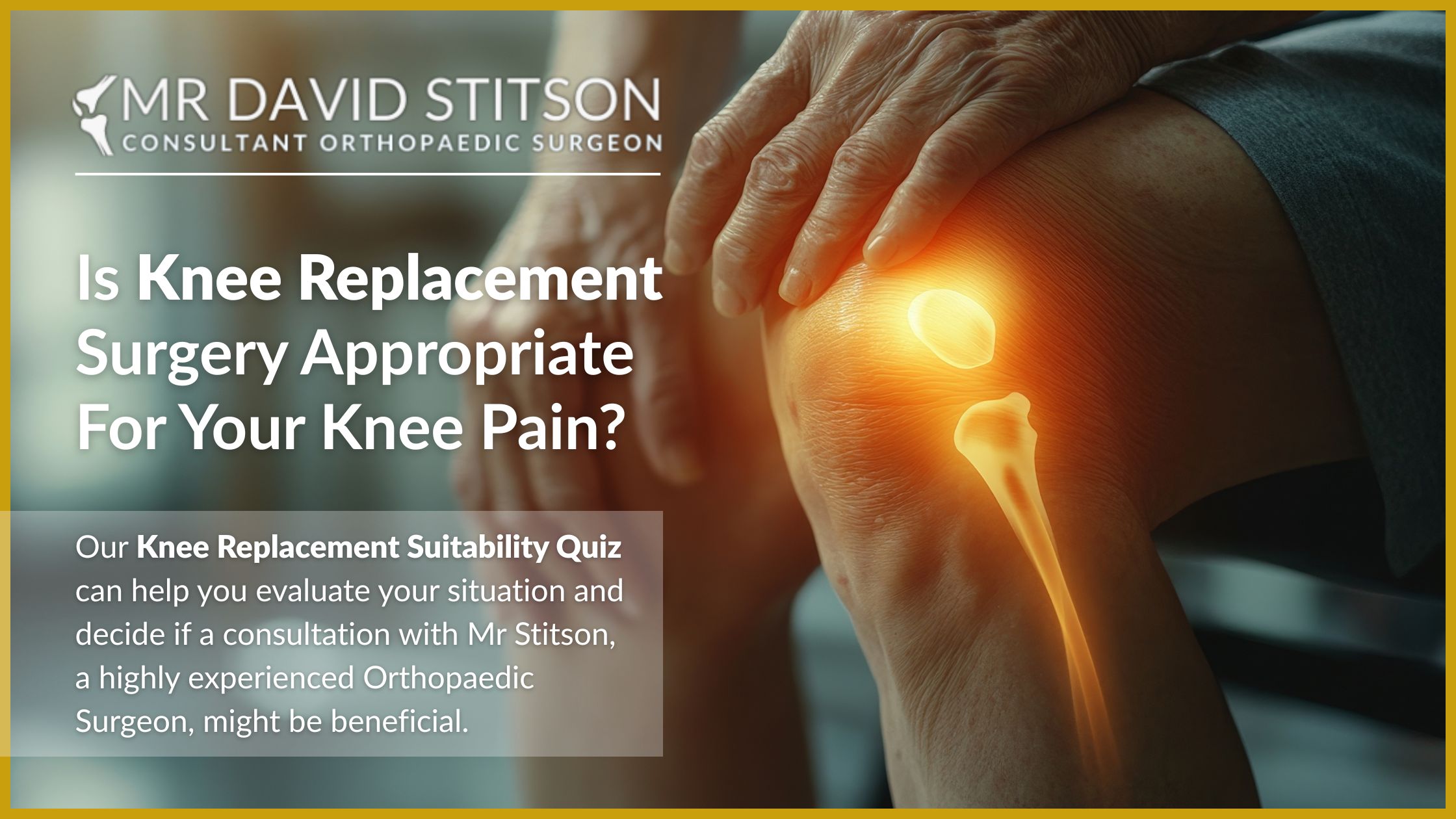
Take the assessment below to see if knee replacement surgery is appropriate for your knee pain.
The Risks of Knee Replacement Surgery
While knee replacement surgery can offer significant benefits, it is not without its risks. Diligent consideration of these risks is crucial for anyone contemplating surgery. Understanding potential complications can aid in making informed decisions about one’s joint health journey.
Infection and Complications
In any surgical procedure, there exists a risk of infection. Despite advances in surgical techniques and hygienic practice, infections can still occur post-surgery. An infection within the knee joint can lead to severe consequences, potentially necessitating further surgeries or prolonged treatment plans involving antibiotics.
In addition to infection, other complications such as blood clots, nerve damage or adverse reactions to anaesthesia may occur. Mitigating these risks often involves pre-surgery evaluation of a patient’s overall health and using preventive measures such as blood thinners and careful monitoring during the recovery period.
Long Recovery Period
Knee surgery, particularly knee replacement surgery, often involves a lengthy recovery period. Patients are typically required to engage in extensive rehabilitation to regain full use of the knee. This process can be physically demanding and time-consuming, ranging from several weeks to months, depending on the individual’s health, age and adherence to recovery protocols.
During this period, patients may need assistance with daily activities, as well as support from physiotherapists or medical professionals. This long recovery period can be challenging and may interrupt work and lifestyle routines, potentially causing frustration or emotional distress.
Potential for Limited Range of Motion
Although knee surgery aims to enhance mobility and function, there is a possibility of limited range of motion post-surgery. Scar tissue formation or improper healing can result in stiffness or reduced flexibility. While physiotherapy and targeted exercises can help mitigate these effects, not all patients will regain their pre-surgery range of motion.
In some instances, additional corrective surgery may be required if the range of motion is significantly limited. These potential outcomes underline the importance of realistic expectations and thorough pre-surgical discussions with healthcare providers to understand the risks fully.
Upon understanding both the benefits and risks, individuals are better equipped to weigh their options when considering knee surgery.
As with any medical decision, consulting with healthcare professionals, gathering information, and understanding personal health needs are essential steps towards optimising joint health.
Final Words
Knee surgery can offer significant relief and improve mobility for those struggling with joint issues. However, like any medical procedure, it comes with its own set of benefits and risks that should be weighed carefully.
Consider factors such as your overall health the experience and expertise of your surgeon and potential rehabilitation requirements. Always consult with healthcare professionals to gain a comprehensive understanding and to make an informed decision tailored to your specific needs and circumstances.
Prioritising your joint health today can lead to a more active and fulfilling tomorrow.
Expert Knee Assessment in Plymouth
If you’re experiencing ongoing knee pain, Mr David Stitson at the Nuffield Health, Plymouth Hospital offers a thorough, expert private assessment and a full range of treatment options, from physiotherapy and injections through to knee replacement surgery, tailored to your diagnosis and lifestyle.
To discuss your symptoms and explore whether joint replacement surgery is the right option for you, contact Mr David Stitson, Consultant Orthopaedic Surgeon, at the Nuffield Hospital, Plymouth.
- Call: 01752 761818
- Visit: www.orthopaedicsplymouth.co.uk
- Email: enquiries@orthopaedicsplymouth.co.uk
Take the Next Step…
If joint pain is stopping you from doing the things you love, book a consultation with Mr Stitson to discuss your options.
– Consult Your GP: If you are experiencing joint pain and are considering surgery, start by booking an appointment with your GP. They will be able to refer you to a specialist if needed.
– Understand Your Options: There are the key avenues you can explore to speed up your access to joint surgery contributing to a swifter recovery and getting you back on your feet sooner.
– Do Your Research: Familiarise yourself with different types of joint replacement procedures and what each one involves.
– Speak with Mr Stitson: Book a consultation with David Stitson, a consultant orthopaedic surgeon based in Plymouth, to discuss what might be the best approach for you personally. He will provide detailed information specific to your situation.
– A consultation helps you understand:
- What is causing your pain
- Whether joint surgery is appropriate
- Alternatives to surgery
- Expected recovery and outcomes
Surgery may sound daunting, but for many, it provides much-needed relief and the chance to regain mobility. This step can be pivotal in improving your quality of life, helping to reduce pain and stiffness in your hip or knee, dramatically.
By addressing the underlying issues, joint surgery can pave the way for a more active lifestyle, allowing you to return to the activities you love without the constant concern of hip or knee pain holding you back.
Taking action now may help you regain confidence, mobility and quality of life.
Get Private Orthopaedic Surgery in Plymouth in just 4-6 weeks
⇒ Consultation in 7 days or less
⇒ Consultation to surgery, 4-6 weeks
About Knee Surgery
Knee replacement surgery replaces the worn out, painful and stiff knee joint with a new prosthetic joint. This procedure which may be a partial or a total replacement is normally performed under spinal anaesthesia and is usually followed by a night or two in the hospital. Day-case knee replacement surgery may be an appropriate option for you.

About Mr Stitson
David Stitson is a Plymouth-based Consultant Trauma and Orthopaedic Surgeon. Trained both in the UK and internationally, he has worked in medicine for more than 20 years for the NHS, for the Royal Air Force and in private practice. Mr Stitson operates privately at the Nuffield Health Hospital, Plymouth.

Are you ready to Take the Next Steps to improve your mobility?
Living with constant joint pain is not something you have to accept as part of ageing. Many people in their late 60s and 70s find that a private joint replacement restores their mobility and transforms their quality of life.
📞 To discuss your symptoms and explore whether joint replacement surgery is the right option for you, contact Mr David Stitson, Consultant Orthopaedic Surgeon, at the Nuffield Hospital, Plymouth.
- Call: 01752 761818
- Visit: www.orthopaedicsplymouth.co.uk
- Email: enquiries@orthopaedicsplymouth.co.uk
Take the first step towards a more comfortable, active life today.
The Nuffield Plymouth CQC Rating
The Nuffield Hospital has a history that spans over half a century and has built a reputation for high standards of care, professionalism and expertise in delivering health services. They aim for continuous quality improvement in everything they do.
Active Quality and Governance programmes are in place at the Nuffield Hospital Plymouth. As part of this, the hospital is inspected by independent healthcare regulators to ensure it meets the fundamental standards of quality and safety as determined by the regulating body (CQC).
In the most recent inspection, Plymouth Nuffield Hospital was rated as ‘Good’ overall, however, the surgical element of the inspection was rated as ‘Outstanding’. The hospital was referred to as:
“Outstanding in effective and caring, and
Good in safe, responsive and well-led.”