
Are you starting to wonder if your knees might need a little more than just rest and ice?
Identifying whether you are a candidate for knee replacement can be a bit puzzling, but worry not, you’re not alone. Many people ponder this question as they experience changes in their knee health. Recognising typical indicators and understanding when to consult your doctor is essential. Let’s explore the signs that could signal it is time to consider knee replacement surgery.
Contents
ToggleThe Knee Replacement Procedure
Knee replacement surgery, happens to be one of the most effective ways for those struggling with intense knee pain and dysfunction to reclaim their quality of life. Let’s unveil some of the mysteries surrounding this surgical option.
What is Knee Replacement?
Knee replacement surgery, also known as knee arthroplasty, involves replacing the worn-out or damaged surfaces of the knee joint with artificial components. These components, usually made of metal and plastic, help restore function and relieve the pain linked to the damaged joint.
It is worth noting that there are typically two main types of knee replacement surgery: total knee replacement, where the entire joint is replaced and partial knee replacement, which involves only one compartment of the knee.
Common Reasons for Knee Replacement
There are plenty of reasons why someone might consider undergoing knee replacement surgery. Here are some of the common indications:
– Osteoarthritis: This is by far the most prevalent reason. It involves the deterioration of the cartilage that cushions the knee joint, leading to pain and stiffness.
– Rheumatoid Arthritis: An inflammatory joint issue that can prompt surgery due to its damaging effect on the joint lining.
– Post-Traumatic Arthritis: Resulting from an injury, this type of arthritis can cause severe knee pain and limit the joint’s function.
– Deformity: Such as a bow-legged or knocked-knee condition which can lead to osteoarthritis and necessitate medical intervention through surgery.
Benefits and Risks of Knee Surgery
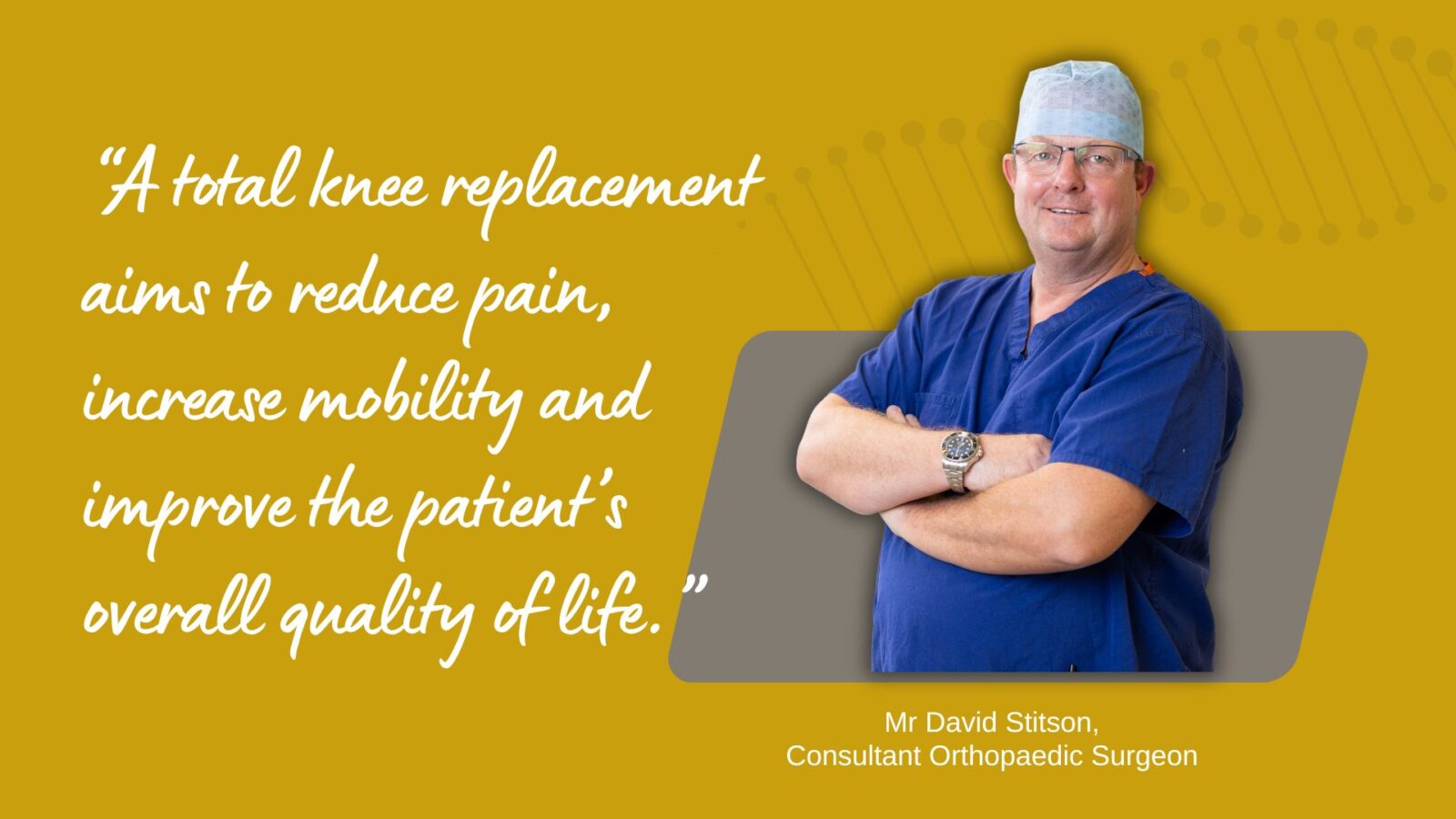
Weighing the benefits against potential risks is a vital step before deciding on knee replacement surgery. Some of the benefits include significant pain relief, improved mobility and a better quality of life. It often enables individuals to return to activities they used to enjoy but were compelled to give up due to knee pain.
However, like any surgical procedure, there are associated risks, including infections, blood clots or implant issues. Moreover, the new knee may wear out over the long haul, necessitating further interventions. It is essential to have a thorough conversation with your healthcare provider to fully understand these aspects.
Signs You Might Be a Good Candidate for a Knee Replacement
If you are constantly left wondering whether knee replacement is in your future, identifying key signs can help clarify your situation. Though only a specialist can determine with certainty, there are several indicators suggest you might be on the path towards considering this surgery.
Persistent Knee Pain and Swelling
Consistent knee pain and swelling are significant signs that you might need a knee replacement. If your knee continues to bother you day in and day out, even when you’re just sitting or lying down, it is probably time to see a specialist. Swelling and inflammation that does not recede after rest or medication can be equally telling.
Limited Knee Mobility
When getting up from a chair feels like climbing Everest, or your knee refuses to bend or straighten properly, it could be a signal that you need surgical intervention. Mobility issues in the knee can make daily tasks daunting and significantly limit your quality of life.
Ineffectiveness of Conservative Treatments
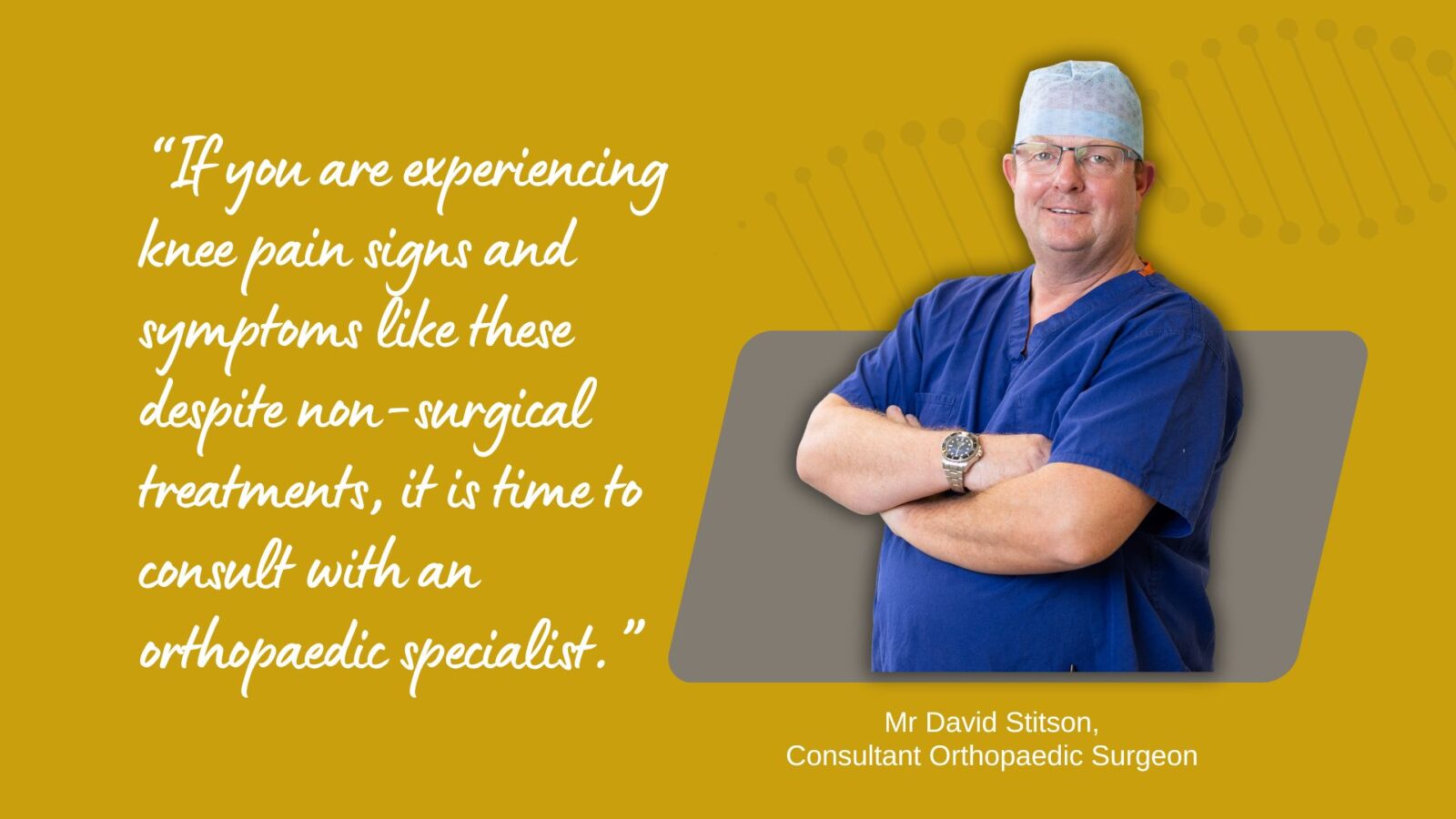
You might be a candidate for knee replacement if you have tried all other treatment options, such as physiotherapy, medications, injections and lifestyle modifications, yet have found little to no sustained relief. When conservative approaches no longer bring comfort, exploring surgical options becomes a rational step forward.
Navigating the world of knee replacement can seem overwhelming. Still, understanding the indicators and having an open dialogue with your healthcare provider will help you to decide whether this procedure is right for you.
Remember, the goal is to get back to living your life free of debilitating knee pain—one step at a time!
Private Medical Assessments and Knee Consultations
Deciding whether you are a candidate for a knee replacement isn’t something you should do on your own. It is a decision that needs careful consideration and a lot of expert advice. This is where medical assessments and consultations come in. These important steps ensure you get a clear picture of your knee health and what the best course of action is.
Role of a Private Orthopaedic Specialist
The journey usually begins with a visit to an orthopaedic specialist. These are the professionals who live and breathe bones and joints and have the expertise to guide you through the potential surgical options. They will listen to your history, examine your knee and review your medical history. Their role is to determine whether a knee replacement is the most suitable solution for you. They will discuss your lifestyle, the level of pain and discomfort you experience and how your knee issues affect your daily activities.
Diagnostic Tests and Imaging
Once you have given all that initial information, your specialist might suggest further diagnostic tests. These could include X-rays, MRIs, or CT scans. Such imaging helps in visually assessing the extent of damage or degeneration in your knee joint. These tests are fundamental as they provide a detailed look at the actual condition of the knee structures, ruling out or confirming other potential issues. These images are part of the puzzle that helps both you and Mr Stitson make a more informed decision.
Evaluating Overall Health and Fitness for Surgery
It is not just about the knee! The overall state of your health plays a crucial role in deciding whether surgery is advisable. During consultations, you will undergo a series of health evaluations. Your doctor will assess factors like your weight, age, medical history and any chronic conditions that might affect surgical outcomes. This thorough evaluation ensures that you are fit for anaesthesia and the physical demands of surgery and recovery. The goal is to minimise risks and maximise the chances of a successful outcome.

When to Consider a Second Opinion
Being thorough is never a bad thing, especially when it comes to your health. A second opinion can be beneficial to ensure you’re making the right call about knee replacement surgery. Here is how to go about it:
Importance of Multiple Consultations
If not certain, seeking a further consultation from a different specialist can provide peace of mind. Each specialist has a unique perspective and expertise, which might uncover different treatment paths or reinforce the initial treatment recommendation. This is not about questioning your doctor’s skill but rather about safeguarding your health and ensuring you explore all options available. Remember, it is your knee and your life—getting as much advice as possible will only benefit you.
Questions to Ask Your Surgeon
To make the most out of your consultations, it is essential that to prepare your questions ahead of time. Ask about the benefits and risks of knee replacement, the specifics of the procedure and what the recovery timeline might look like. Understand the alternatives and what happens if you don’t go for surgery right away? What lifestyle changes could help? The more informed you are, the more comfortable you will feel making such a significant decision.
Weighing the Decision Carefully
Deciding on knee replacement is a big step. It is not one to be taken lightly and involves weighing several factors—some personal, some medical. Evaluate the impact of your symptoms on your daily life and mobility and consider your goals post-surgery. Discuss potential outcomes with your family as their support will be crucial during recovery. A knee replacement could significantly improve your quality of life, but it is a decision that should be approached with care, clarity and confidence.
Knee Replacement FAQs
Q: How long is the recovery time after knee replacement surgery?
A: Recovery time can vary, but most people find they can resume normal activities within 3 to 6 months. However, full recovery may take up to a year, depending on individual health factors and commitment to physiotherapy.
Q: Are there non-surgical alternatives before considering knee replacement?
A: Absolutely! Before opting for surgery, you might explore options like physiotherapy, weight management, medication or injections to manage pain and improve mobility.
Q: Will I be able to participate in sports after knee replacement?
A: While high-impact sport may not be advisable, many return to low-impact activities such as swimming, cycling and walking. It is essential to follow Mr Stitson’s advice to ensure a safe return to exercise.