Thinking about hip replacement can be a daunting prospect, especially if you are someone who loves to lead an active lifestyle. You might wonder, “Will I be able to participate in sports after a hip replacement?”
The good news is that recovering from hip replacement surgery doesn’t necessarily mean the end of your favourite activities. In fact, with proper rehabilitation and post-op exercises, you could very well get back to your athletic pursuits and continue to enjoy the activities you love.
Whether it’s running, cycling or even a leisurely swim, there is hope for getting back to the sports you’ve always enjoyed after hip surgery. Let’s explore how you can safely transition back to being active.
What is Hip Replacement?
A hip replacement is a surgical procedure where the damaged hip joint is replaced with an artificial one, often made of metal, ceramic or/or a durable plastic called polyethylene. The procedure is performed to relieve pain and restore function in hips affected by injury or arthritis.
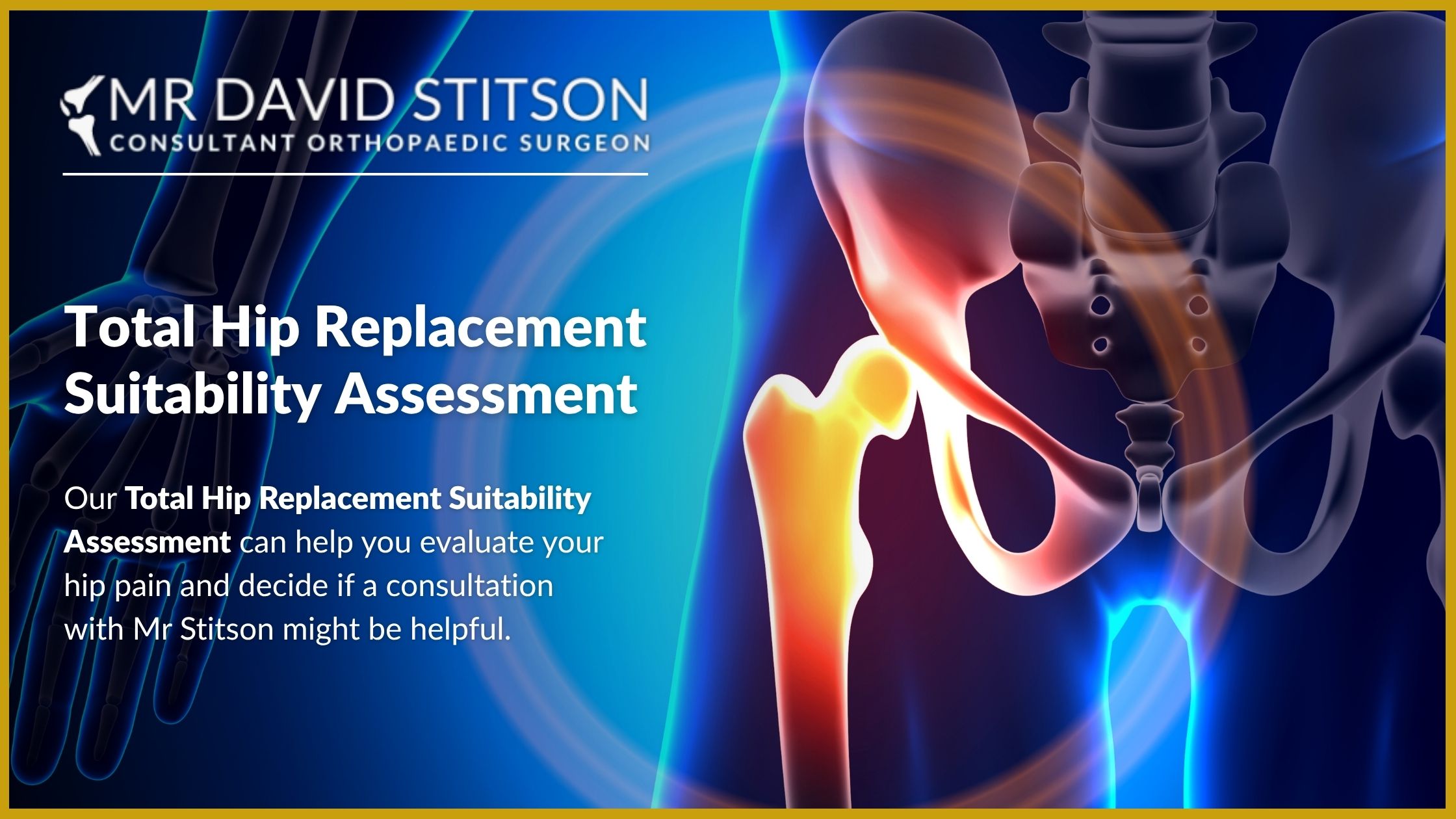
The hip joint is a ball-and-socket type joint and the surgery involves replacing both the damaged ball on the top of the femur and the worn socket or acetabulum, which is part of the pelvis.
The remarkable advances in medical technology and surgical techniques have made hip replacement a common and highly successful procedure, significantly enhancing the quality of life for many patients.
Common Reasons for Hip Replacement
Hip replacements are often recommended for people who have severe pain and limited mobility that other treatments haven’t provided adequate relief from. Below are some of the most common reasons why someone might undergo this surgery:
– Osteoarthritis: This is wear-and-tear arthritis with damage to the cartilage within the joint, making movements painful and stiff.
– Rheumatoid arthritis: An autoimmune condition, this type of arthritis causes chronic joint inflammation, which can damage cartilage and deform the hip joint over time.
– Osteonecrosis: Also known as avascular necrosis, this condition occurs when there is inadequate blood supply to the head of the femur, causing the bone tissue to die. The process of AVN can be painful in its own right and subsequent changes in the shape of the femoral head can lead to secondary osteoarthritis with its attendant symptoms.
– Severe injury or fracture: Major hip injuries (fractures or dislocations) from falls or accidents can lead to the need of a hip replacement if the bones does heal properly, if the joint is left unstable or if post-traumatic osteoarthritis develops
– Bone deformities: Certain congenital conditions can result in joint issues that may lead to the need for a total hip replacement.
Overview of the Hip Replacement Recovery Process
Recovering from hip replacement surgery does take time and careful management, but many have successfully returned to their active lifestyles post-surgery. The journey begins right after the operation and while you are still in the hospital. You will quickly start gentle movements with guidance from a physiotherapist. This early activity is crucial to prevent complications such as blood clots and to reduce stiffness
Within the first few days, you will typically be encouraged to walk short distances with assistance, using walking aids such as crutches or walking sticks. Most people can go home within a day or two, though the timeline can vary depending on individual circumstances.
The following weeks are when dedicated hip rehabilitation plays a significant role. Full recovery and a return to regular activities can take several months, often requiring patience and persistence. By consistently following your hip rehabilitation programme and medical advice, you can expect to regain strength and enhance mobility effectively.

Post-Surgery Rehabilitation
Importance of Post-Op Hip Exercises
Post-op hip exercises are the cornerstone of recovery from hip replacement surgery. The exercises help increase blood flow, strengthen muscles and improve flexibility around the joint. They can also reduce the risk of complications such as blood clots. Initially, exercises are gentle movements designed to help you adapt to the new joint and regain basic function. Over time, they become more challenging to help you rebuild strength and endurance.
Exercise also plays a pivotal role in pain management. By gradually increasing activity levels under the supervision of a healthcare professional, you can gain more control over hip pain and stiffness, ultimately contributing to a smoother recovery process. Not to mention, that staying active promotes healing by maintaining a healthy cardiovascular system.
Developing a Personalised Rehab Plan
Every patient’s path to recovery is unique. A personalised rehab plan crafted to fit your specific needs and circumstances can significantly help in the rehabilitation process. The creation of such a plan typically involves a detailed assessment of your physical capabilities, lifestyle, and personal goals.
A typical hip rehab plan may include:
– Strengthening exercises: These help you regain muscle around the hip.
– Flexibility exercises: Aimed at restoring the range of motion.
– Balance and coordination activities: These ensure you can move safely and confidently.
– Endurance exercises: Including walking or cycling, gradually increasing over time.
Setting realistic goals can provide motivation and measure progress. Tailoring the rehab plan means that you are less likely to feel overwhelmed and more likely to stick with it, making the journey more manageable and successful.
Involving Professionals in Recovery
Involving professionals such as physiotherapists, occupational therapists and Mr Stitson is crucial for a well-rounded recovery. The experts provide insights and guidance tailored to your condition, significantly enhancing your rehabilitation success. Physiotherapists can design specific exercise routines, monitor your progress, and make necessary adjustments. They ensure exercises are done correctly to prevent any adverse effects.
Occupational therapists can help adapt your daily activities. They provide valuable advice on modifying your home environment to avoid unnecessary strain on your new hip. This professional guidance is invaluable for building confidence and facilitating a smoother transition back into daily routines and potentially returning to your beloved sports.
There is no doubt that a successful hip replacement recovery heavily rests on your active participation, supported by skilled healthcare professionals and a personalised plan. With determination and the right guidance, embracing an active lifestyle once more becomes an achievable reality.
Returning to an Active Lifestyle
Once you have undergone hip replacement surgery, the prospect of returning to your regular activities, especially sports, can be exciting yet daunting. Many people wonder when and if they can return to their favourite sports post-surgery. The great news is that with the right care and guidance, it is entirely possible to get back to a fulfilling, active lifestyle!
Evaluating Readiness for Sports
Before diving back into sports, it is crucial to evaluate your readiness. Your body needs time to heal, and while it is tempting to pick up where you left off, patience is key. Here are a few things to consider:
– Medical Clearance: Always get the green light from Mr Stitson or your physiotherapist. They will assess your progress and advise when it is safe to start engaging with sporting activities.
– Pain-free Range of Motion: Ensure that your range of motion has improved significantly and that you are able to move without pain or discomfort.
– Strength and Stamina: You should have regained enough strength in your hip and surrounding muscles, as well as the stamina needed to participate in sports without risking injury.
Working with Your Physiotherapist
Your physiotherapist plays a pivotal role in your return to sport. They can tailor a rehabilitation program to suit your needs, ensuring you regain your strength safely. Here’s how they can assist:
– Progress Tracking: They will regularly assess your progress and make adjustments to your exercises to match your current capabilities.
– Exercise Regimen: A physiotherapist will create a specific regimen of post-op exercises to help build muscle strength, improve flexibility, and enhance mobility.
– Technique Improvement: They will also focus on improving your movement techniques to prevent future injuries.
By collaborating closely with your physiotherapist, you will be giving yourself the best chance to resume sports safely.
Recommended Low-Impact Sports
To prevent unnecessary strain on your new hip, it is wise to start with low-impact sports. These activities are gentle on the joints yet effective for maintaining an active lifestyle:
– Swimming: Often considered the perfect exercise post-surgery, swimming provides excellent cardiovascular benefits without stressing your joints.
– Cycling: Be it a stationary bike at the gym or a relaxed outdoor ride, cycling is great for rebuilding strength and endurance.
– Walking: Never underestimate the power of a good walk! It is a simple way to stay active and gradually build strength.
– Golf: Swinging a golf club may seem mild, but it’s enjoyable and helps keep your body moving, plus it’s a great social activity.
Remember, the goal is to maintain an active lifestyle while protecting your new hip. So, ease into sports, listen to your body, and enjoy the journey back to fitness!
Get Private Orthopaedic Surgery in Plymouth in just 4-6 weeks
⇒ Consultation in 7 days or less
⇒ Consultation to surgery, 4-6 weeks
Hip Replacement FAQs
Q: How soon can I return to sports after hip replacement surgery?
A: Recovery times can differ among individuals, but most people can expect to return to lower-impact sports like swimming and cycling within 3 to 6 months post-surgery. For higher-impact activities such as jogging or tennis, it might take 6 months to a year. Always consult with your doctor or physical therapist to get personalised advice based on your progress.
Q: Are there any sports I should avoid completely?
A: Yes, certain high-impact sports like rugby, football might be too risky due to their physical intensity and potential for falls. These activities can place unnecessary stress on the new joint, possibly leading to injury or even revision surgery. Skiing, providing that you are an experienced skier, should be possible after a hip replacement, although off piste skiing , moguls and jumping may be best avoided. Discuss with your healthcare provider to understand which activities are safe for you.
Q: What exercises can help my recovery?
A: These activities are generally safe and effective for rehabilitation as you rebuild strength and flexibility.
– Walking: Helps maintain range of motion and build strength.
– Swimming: Provides a full-body workout without putting stress on the joint.
– Cycling: Encourages motion in the hip with controlled impact.
Q: How will I know if I'm ready to return to sports?
A: Your readiness will be guided largely by how well you have healed and regained strength in your hip. If your mobility and balance have significantly improved, you are not experiencing pain, and you have received the go-ahead from your healthcare team, you might be ready to ease back into your favourite sports. Keep an open line of communication with your medical team for a smoother transition.
About Mr Stitson
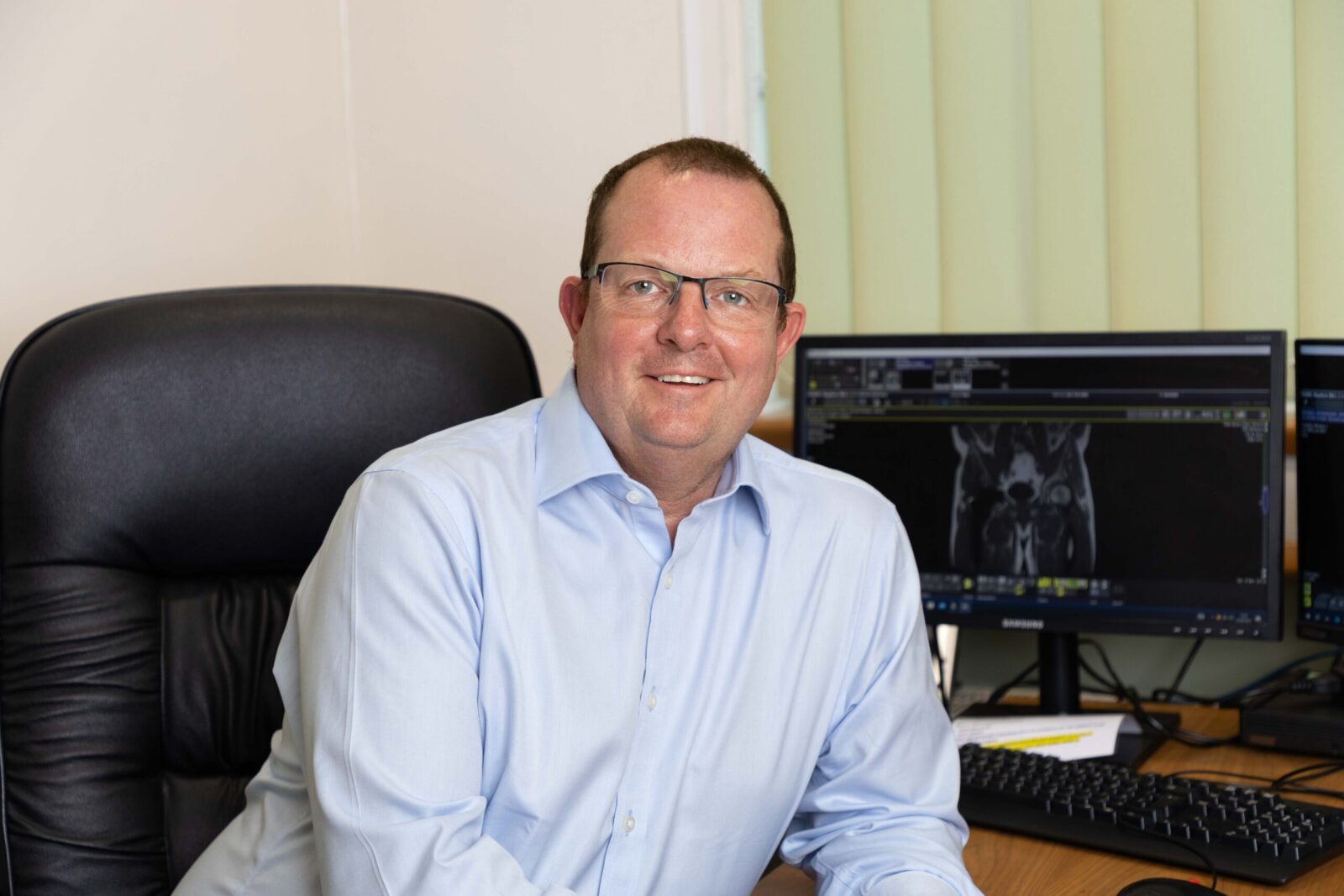
David Stitson is a Plymouth-based Consultant Trauma and Orthopaedic Surgeon. Trained both in the UK and internationally, he has worked in medicine for more than 20 years for the NHS, for the Royal Air Force and in private practice. Mr Stitson operates privately at the Nuffield Health Hospital, Plymouth.

Take the Next Step with Mr Stitson in Plymouth
Living with constant hip pain is not something you have to accept as part of ageing. Many people in their late 60s and 70s find that a private hip replacement restores their mobility and transforms their quality of life.
📞 To discuss your symptoms and explore whether hip replacement surgery is the right option for you, contact Mr David Stitson, Consultant Orthopaedic Surgeon, at the Nuffield Hospital, Plymouth.
- Call: 01752 761818
- Visit: www.orthopaedicsplymouth.co.uk
- Email: enquiries@orthopaedicsplymouth.co.uk