Knee replacement surgery is a well-established procedure that can significantly improve the quality of life for those suffering from chronic knee pain and mobility issues.
However, in the UK, various myths and misconceptions surround this surgery, often leading to unnecessary anxiety and apprehension.
Contents
ToggleSome common myths include the belief that surgery is only for the elderly, that recovery is extremely painful or that knee replacements severely limit physical activity post-surgery. Understanding the facts behind these myths is crucial for making informed decisions about knee health.
Common Myths Surrounding Knee Replacement Surgery
Knee replacement surgery, or arthroplasty, is a well-established procedure designed to relieve pain and restore function in severely damaged knee joints. Despite its prevalence and success, there remain many misconceptions about the surgery, particularly in the UK. Below, we explore some of these common myths.
Myth 1: Surgery Is Only for the Elderly
A widespread belief is that knee replacement surgery is reserved for the elderly. Many assume that it is inappropriate or unnecessary for younger individuals, who are thought to simply “manage” their knee pain until they reach their senior years. This myth can deter younger individuals from seeking surgical intervention that may significantly enhance their quality of life. While it Is true that the surgery is more common in older adults primarily due to age-related joint degeneration, it is not exclusive to them. Knee replacement surgery can be beneficial for anyone with severe knee issues, regardless of age.
Myth 2: Recovery Time Is Extensive
Another prevalent myth is the notion of a long, drawn-out recovery process following knee replacement surgery. Many fear they will be bedridden for months on end, unable to return to their regular activities. This belief may stem from outdated information or personal anecdotes, which do not always reflect current medical practice. This misconception can discourage individuals from pursuing surgery, leaving them to endure pain and limited mobility longer than necessary.
Myth 3: Surgery Results are Permanent and Unchangeable
There is also a belief that once knee replacement surgery is completed, the results are set in stone. Many assume that artificial joints, unlike their natural counterparts, cannot adapt over time or be adjusted if problems arise. This myth can be particularly daunting, leaving potential patients worried about the finality of the procedure and apprehensive about undergoing surgery without a guaranteed lifetime assurance.
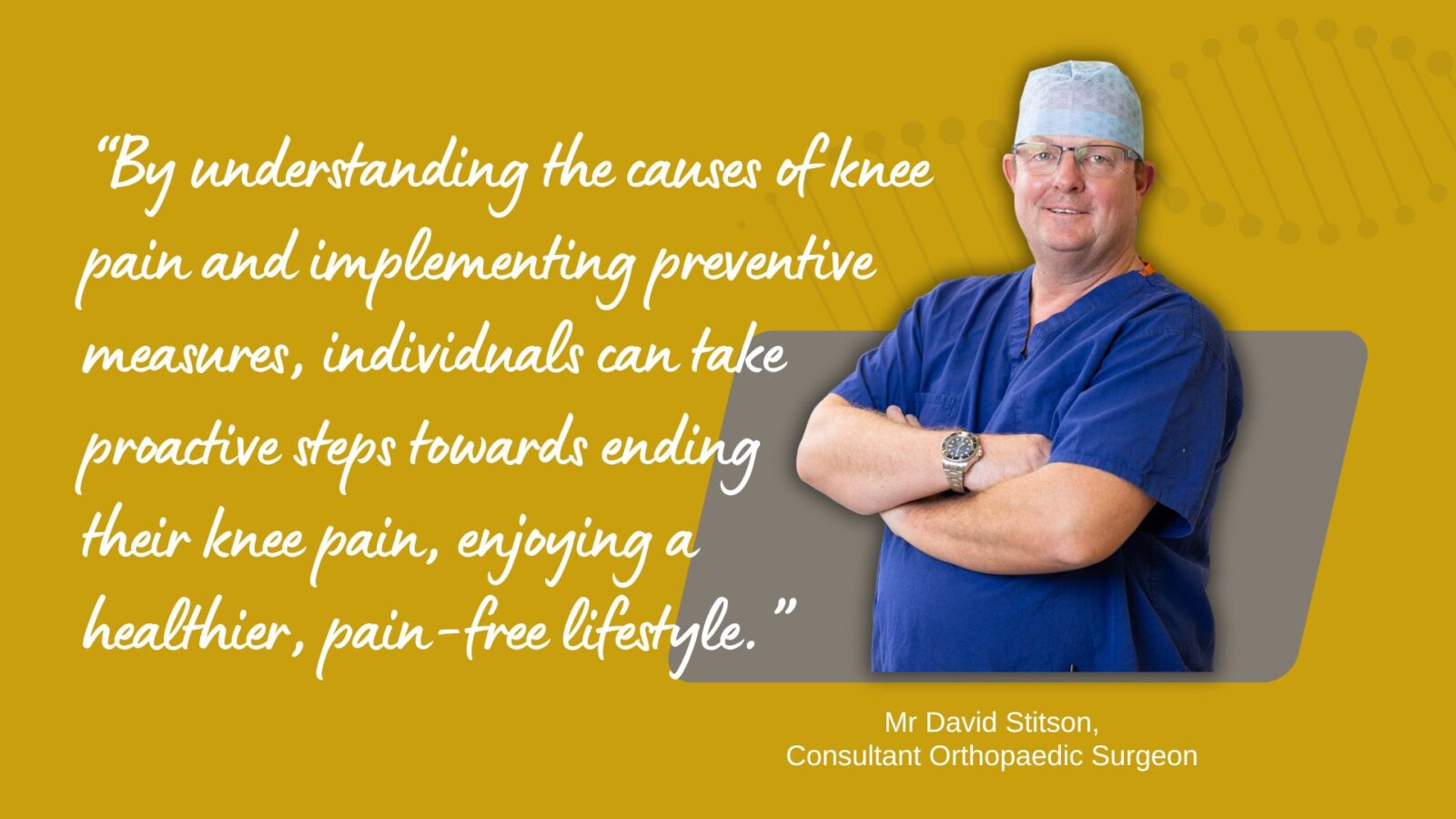
The Facts Behind the Knee Replacement Myths
To make well-informed decisions about knee health and surgery, it is essential to distinguish between myths and facts. Understanding the reality behind knee replacement surgery can empower individuals to seek the help they need.
Fact 1: Age Factors and Surgery Reality
Knee replacement is certainly more common in older adults, as joints tend to suffer from wear and tear over time. However, knee issues do not discriminate by age. Conditions such as osteoarthritis, rheumatoid arthritis or traumatic knee conditions can severely impact younger individuals, necessitating surgical intervention.
Health professionals assess each case individually, determining the most appropriate course of action based on the condition of the knee and the individual’s overall health, rather than age alone. Younger patients may, in fact, benefit significantly from surgery, allowing them to return to active lifestyles more quickly rather than enduring years of pain.
Fact 2: Modern Advances in Recovery
Today’s advancements in surgical techniques and post-operative care have significantly improved recovery times for knee replacement surgeries. Enhanced recovery programmes, often referred to as “fast-track” rehabilitation, focus on swift mobilisation and effective pain management immediately following surgery. These programmes may include:
– Early Physiotherapy: Initiating physiotherapy quickly post-surgery helps patients gain strength and flexibility more rapidly.
– Pain Management: Modern pain management techniques significantly reduce discomfort, allowing for earlier movement.
– Personalised Rehabilitation Plans: Tailored plans focus on each patient’s unique needs, speeding up the recovery process.
With these advancements, many patients can expect to resume normal activities, including work or leisure, much sooner than previously believed, often within a few weeks.
Fact 3: Revisions and Future Improvements
Contrary to the myth that surgery results are fixed and unchangeable, there are options for reassessment and revision should the need arise. While knee replacements are designed to last for many years, they are not entirely exempt from wear or complications. Modern knee prostheses can indeed wear out or become less effective over time, particularly in younger, more active patients. Fortunately, revision procedures are available. These procedures are designed to replace or correct parts of the artificial joint if they become problematic.
Looking forward, ongoing advancements in medical technology and materials mean that future improvements in knee replacement surgery hold promise. Innovations such as robotic-assisted surgeries are already enhancing precision, likely leading to even better outcomes and longevity of implants. Additionally, research into biocompatible materials and personalised joint models continues to evolve, suggesting improvements in durability and patient satisfaction in the years to come.
Understanding these facts can help patients approach knee replacement surgery with a comprehensive view, alleviating fears based on myths and focusing instead on the real benefits of the procedure. By dispelling these misconceptions and educating oneself with factual insights, individuals can make informed decisions about their knee health and overall well-being.
Debunking Myths for Better Knee Health
Understanding the truths behind knee replacement surgery can ease anxieties and aid in making informed health decisions. By debunking common myths, individuals can focus on the genuine aspects of the procedure and its positive outcomes. It is crucial to separate fact from fiction for optimal knee health.
– Consult healthcare professionals for accurate information.
– Remember that surgical success is often high and that recovery varies.
– Don’t let misconceptions hinder your journey to improved mobility and quality of life.
By promoting factual insights, we ensure healthier, well-informed decision-making about knee health in Plymouth.
Get Private Orthopaedic Surgery in Plymouth in just 4-6 weeks
⇒ Consultation in 7 days or less
⇒ Consultation to surgery, 4-6 weeks

About Mr Stitson
David Stitson is a Plymouth-based Consultant Trauma and Orthopaedic Surgeon. Trained both in the UK and internationally, he has worked in medicine for more than 20 years for the NHS, for the Royal Air Force and in private practice. Mr Stitson operates privately at the Nuffield Health Hospital, Plymouth.

Take the Next Step with Mr Stitson in Plymouth
Living with constant hip pain is not something you have to accept as part of ageing. Many people in their late 60s and 70s find that a private hip replacement restores their mobility and transforms their quality of life.
📞 To discuss your symptoms and explore whether hip replacement surgery is the right option for you, contact Mr David Stitson, Consultant Orthopaedic Surgeon, at the Nuffield Hospital, Plymouth.
- Call: 01752 761818
- Visit: www.orthopaedicsplymouth.co.uk
- Email: enquiries@orthopaedicsplymouth.co.uk