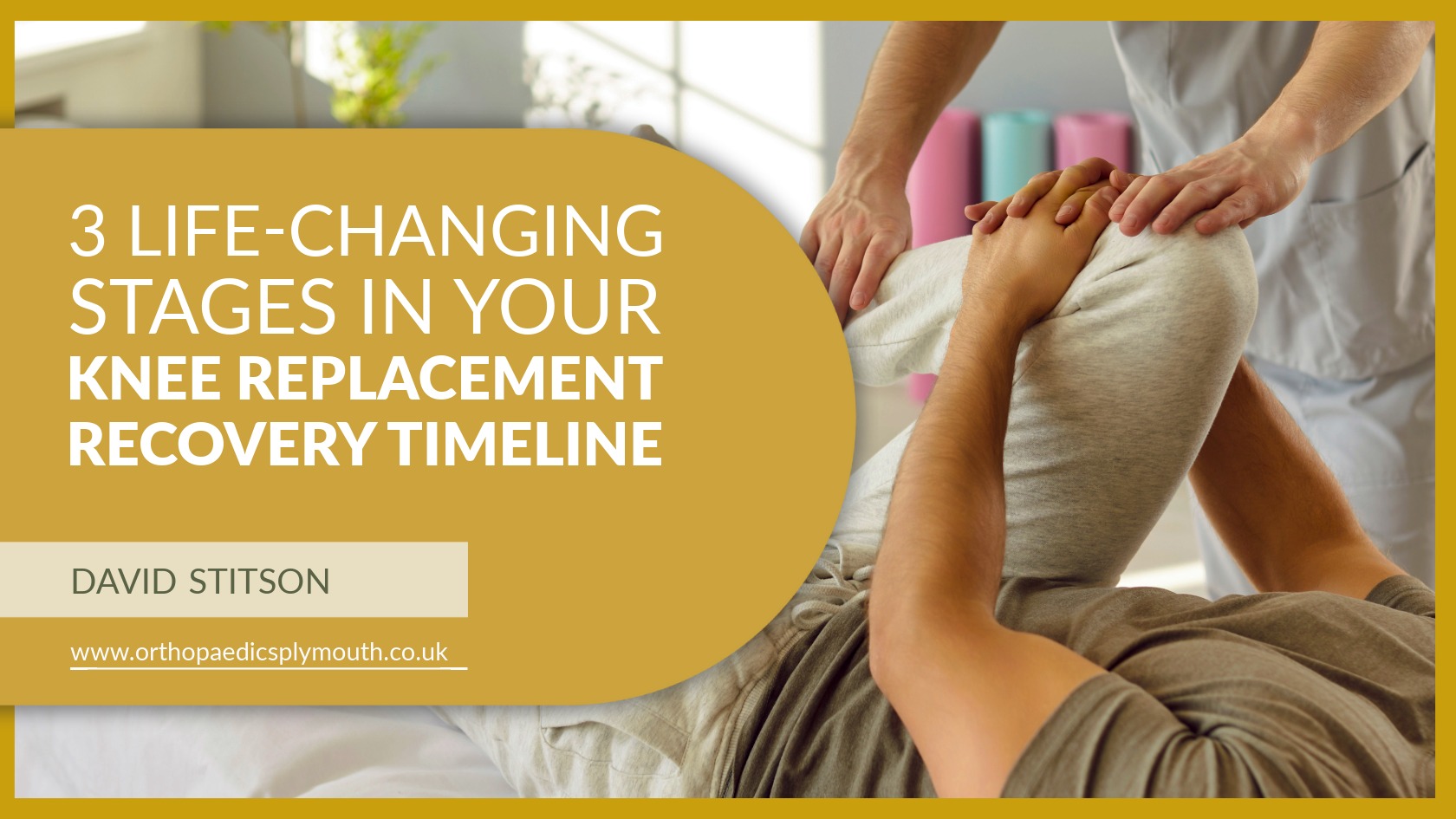
Knee replacement surgery is often a life-changing procedure for those suffering from chronic knee pain and mobility issues.
The recovery process, while challenging, plays a crucial role in restoring your quality of life. Understanding the various stages of knee replacement recovery can help you set realistic expectations and make your healing journey smoother. From regaining strength and flexibility to ultimately enjoying an enhanced range of pain free motion, the path to recovery includes several important stages that facilitate healing and rehabilitation.
Contents
ToggleStage 1 – Knee Replacement Surgery Initial Recovery
The initial recovery stage of knee replacement surgery is important as it sets the foundation for the healing process. This period, typically lasting from the day of surgery to a couple of weeks post-operation, demands careful management and consistent attention to detail.
Immediate Post-Surgery Care
Immediate post-surgery care begins as soon as surgery ends and the patient regains consciousness. During this phase, monitoring vital signs alongside scrutiny of the surgical site is essential. Medical professionals ensure that there are no signs of infection or complications.
Your knee will initially bandaged. The bulky dressings will be reduced the next day when ice packs and elevation are commonly used to help reduce swelling. Understanding the proper care for the incision site starts here, ensuring it remains clean and dry. Hospital stays may vary, yet during this phase, staff will provide education about wound care and early mobilisation exercises.
Managing Pain and Swelling
Pain management is a prominent aspect of the initial recovery stage and it cannot be overstated how important it is to follow the prescribed regimen. Knee replacement can be a painful procedure for which oral pain medications are prescribed to control any pain and to allow early movement and engagement with physiotherapy. That said, you should to your healthcare provider’s instructions, as overuse of medications or inappropriate management could lead to undesired side effects. If pain remains excessive once at home seek advice either from your GP or from the hospital.
Swelling is another concern during early recovery. Elevating the leg is advised, especially during rest periods, to help reduce this. Ice packs provide effective relief of discomfort and swelling when applied as directed.
Beginning Physiotherapy
Despite recent surgery, physiotherapy typically begins within 24 hours of the operation. The main goal during this phase is to prevent stiffness, enhance blood flow and lay the groundwork for regaining mobility and function. Early exercises, such as ankle pumps and early knee movements, aim to enhance circulation and reduce the risk of blood clots.
A physiotherapist will guide you through tailored exercises and movements to promote healing while respecting physical limitations. Abiding by the schedule and instructions of your therapist is paramount. It is the first step towards regaining strength and mobility in the knee joint. It is important that you take regular painkillers to allow you to get moving early.
Stage 2 – Intermediate Knee Surgery Rehabilitation Phase
As recovery progresses, you will transition into the intermediate rehabilitation phase. This stage, often spanning from weeks 3 to 12 post-surgery, is characterised by significant improvements in mobility and strength. It is a pivotal time when patients work towards regaining independence and quality of life.
Progressing with Mobility Aids
In this phase, you will reducing your dependency on mobility aids, such as walkers or crutches. Progression depends heavily on personal comfort and physical capability. The development of balance and confidence in using the operated leg are key drivers in this process.
You will be encouraged to take more extended walks, gradually increasing the distance as stamina builds. Gradual reduction and eventual elimination of aids mark a significant milestone in recovery. However, it is essential to approach this process patiently and cautiously in order to avoid setbacks.
Strengthening Exercises
Strengthening exercises form the backbone of the intermediate knee rehabilitation phase. These exercises are designed to boost muscle strength around the knee area, thereby stabilising the joint. A structured exercise regimen generally includes a combination of flexibility training, weight-bearing activities and resistance exercises.
Programs may incorporate leg lifts, wall slides and the use of stationary bicycles to enhance muscle tone and improve knee function. Physiotherapists play a supportive role, ensuring exercises are performed safely and effectively. The consistency of doing these exercises will directly influence recovery speed and quality.
Monitoring Recovery Milestones
Monitoring progress is vital to ensure the rehabilitation is on track. Recovery is as much a mental journey as it is physical and setting achievable goals helps maintain motivation. Regular check-ups with the healthcare provider allow professional assessment of knee function and overall progression.
The intermediate rehabilitation phase is marked by gradual gains in independence, strength and mobility.
Stage 3 – Long-Term Knee Surgery Recovery and Adaptation
The final steps in your knee replacement rehabilitation journey can be just as crucial as the initial stages. Embracing long-term recovery and adaptation ensures that your new knee serves you well for years to come. Here, we look into the key aspects of resuming activities, lifestyle changes and psychological support to aid in your comprehensive recovery.
Full Return to Activities
After months of rehabilitative effort, many patients aspire to return to their previous levels of activity. By around 4 to 6-months post-surgery, most individuals can enjoy a broader range of movement. However, it is essential to ease into activities gradually:
– Low-Impact Sports: Activities such as swimming, cycling, and golf are excellent choices. They allow you to remain active while putting minimal stress on the joint. Always listen to your body and consult with your physiotherapist before pushing limits.
– Daily Routine: Regular tasks like walking and climbing stairs should become more comfortable with time. Consistency in these activities will strengthen the surrounding muscles and improve knee function.
– Monitor Progress: Keeping track of your activity levels and any discomfort will help tailor your rehabilitation routine effectively. Regular follow-ups with your healthcare provider are advisable to ensure that you’re on the right path.
Lifestyle Adjustments and Maintenance
Adapting your lifestyle post-surgery is crucial for maintaining knee health and enhancing longevity.
– Weight Management: Maintaining a healthy weight reduces the stress and wear on your knee replacement. Consult a nutritionist if needed to devise a balanced diet plan.
– Regular Exercise: Incorporating a daily exercise regimen that focuses on flexibility and strength can prolong the function of your new joint. Your physiotherapist can guide you in selecting suitable exercises.
– Equipment Modifications: Depending on individual needs, you may require aids such as kneeling pads or ergonomic furniture to protect your knee while performing day-to-day activities.
Keeping these adjustments in mind helps safeguard your knee against any future issues while promoting a more active lifestyle.
Psychological Adaptation and Support
The emotional aspect of recovery is often overlooked, yet it is equally important as physical healing. Surgery, even when successful, can impact your mental health. Hence, psychological adaptation plays an integral role in post-surgery rehabilitation.
– Set Realistic Goals: While optimism is beneficial, setting achievable goals at each stage can prevent disappointment and build a sense of accomplishment.
– Support Systems: Stay connected with friends, family or support groups who can offer encouragement and share experiences. Engaging with others makes it easier to cope with challenges.
– Professional Help: If feelings of frustration or discouragement persist, seeking counselling or therapy can provide strategies to manage these emotions effectively.
By recognising and addressing the psychological facets of recovery, you equip yourself with the necessary tools to navigate through your life-changing recovery journey more resiliently.
Understanding and embracing the long-term recovery stages following knee replacement enables you to reclaim an active and fulfilling life, backed with the knowledge and support essential for sustained well-being.
Get Orthopaedic Surgery in Plymouth in just 4-6 weeks
⇒ Consultation in 7 days or less
⇒ Consultation to surgery, 4-6 weeks
knee replacement surgery FAQs
Q: How long does it take to recover from knee replacement surgery?
A: Recovery timelines vary, but most individuals can expect significant improvements within 3 to 6 months post-surgery. However, complete functional recovery can sometimes take up to a year.
Q: What activities should I avoid after a knee replacement?
A: It is generally advised to avoid high-impact activities such as running or jumping. Instead, focus on low-impact exercises like swimming, walking and cycling to support recovery.
Q: How can I speed up my knee replacement recovery?
A: – Follow your physiotherapist’s rehabilitation plan diligently.
– Maintain a healthy diet rich in protein and vitamins to support healing.
– Stay hydrated and manage your weight to reduce stress on your new knee.
Q: When can I drive after knee replacement surgery?
A: Typically, patients can resume driving around 6-weeks post-surgery, but this depends on your individual progress.
Q: Is swelling normal after knee replacement surgery?
A: Yes, swelling is a normal part of the healing process. It can persist for several weeks or months. Elevating the leg, using ice packs and perhaps wearing compression stockings can help manage this. Always consult your surgeon if swelling significantly worsens.