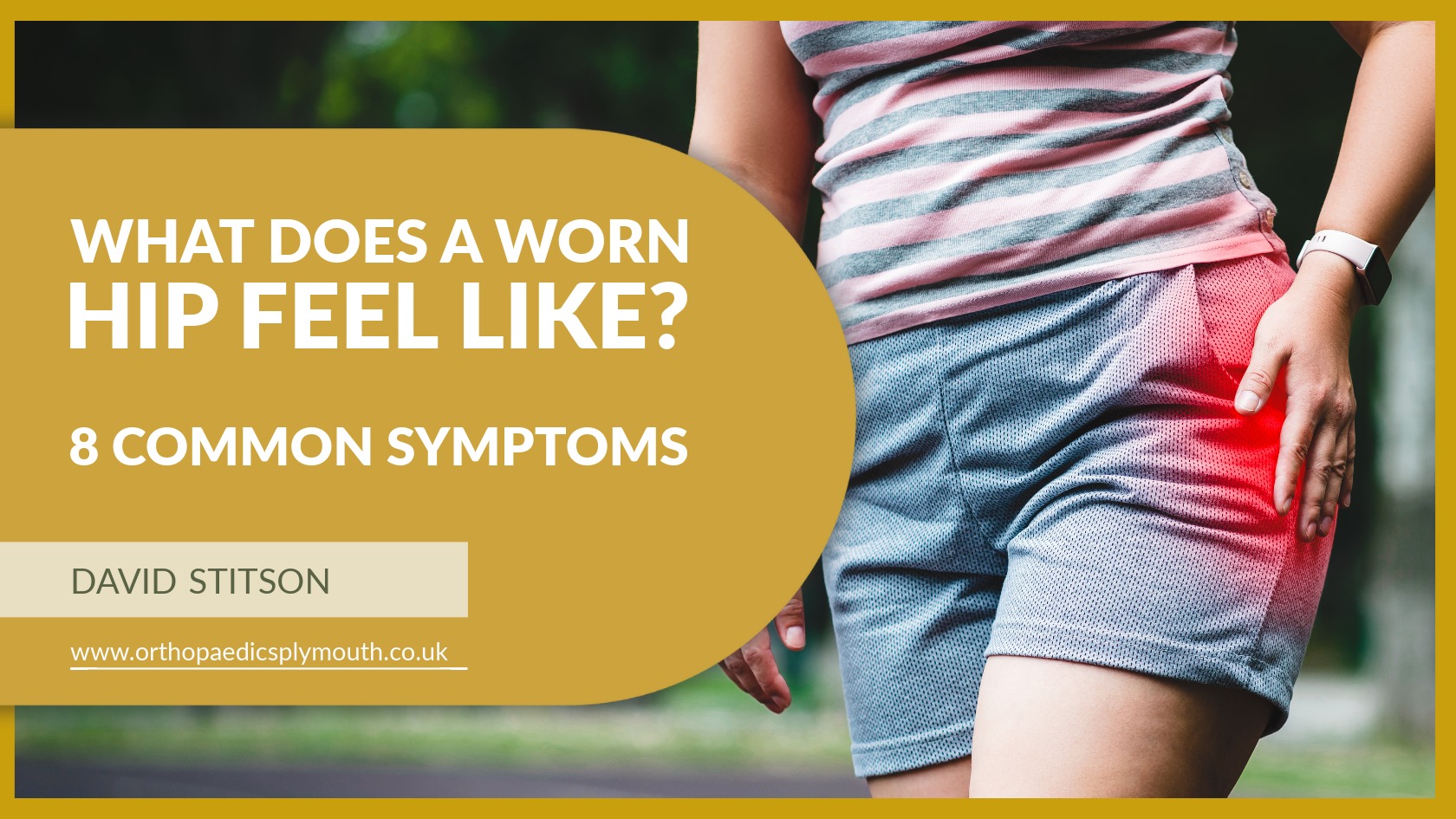
Recognising the Symptoms of Hip Wear, and What Can Be Done About It
Hip pain that creeps in gradually can be easy to dismiss; a bit of stiffness after gardening, a twinge on the stairs, an ache you blame on “getting older.” But when that discomfort is caused by a worn hip joint, it rarely stays the same. Understanding what hip wear actually feels like, what causes it, and when it is time to seek an assessment can help you get the right treatment before the problem takes over daily life.
Contents
ToggleA worn hip develops when the cartilage gradually breaks down.
As the protective layer thins, the bones underneath lose their smooth gliding surface, and bone can rub directly against bone.
What Is a Worn-Out Hip Joint?
The hip is a ball-and-socket joint: the rounded head of the thigh bone (femur) sits inside a cup-shaped socket in the pelvis (the acetabulum).
In a healthy hip, both surfaces are coated with smooth cartilage, allowing the joint to move freely and absorb the impact of walking, running, and standing.
A worn hip develops when the cartilage gradually breaks down. As the protective layer thins, the bones underneath lose their smooth gliding surface. Eventually, in advanced cases, bone can rub directly against bone. The joint may also develop bony spurs (osteophytes) as it tries to compensate for the damage, which can further restrict movement.
This process is usually gradual, often unfolding over many years, which is why symptoms tend to build over time, rather than appear overnight.
What Causes a Hip Joint to Wear Out?
Hip wear is rarely caused by one single factor. Common contributors include:
• Age. Cartilage naturally becomes less resilient over time, making wear more likely from the late 40s onwards.
• Genetics. A family history of osteoarthritis increases the likelihood of developing it yourself.
• Previous injury. A fracture, dislocation or significant trauma to the hip — even decades earlier — can accelerate wear.
• Joint abnormalities present from birth or childhood. Conditions such as hip dysplasia or a poorly formed socket alter how forces pass through the joint.
• Repetitive strain or high-impact activity. Some occupations and sports place sustained, heavy load on the hip over many years.
• Being overweight. Extra body weight increases the load the hip has to bear with every step.
• Inflammatory joint conditions. Conditions such as rheumatoid arthritis can damage cartilage and speed up wear.
What Does a Worn Hip Feel Like? 8 Common Symptoms
The symptoms of a worn hip vary from person to person, but certain patterns are typical:
- Groin pain. This is the classic symptom — an ache or sharper pain felt deep in the groin, sometimes spreading to the front of the thigh or the buttock. Pain felt only on the outside of the hip or lower back is less often related to joint wear.
- Morning stiffness. The hip feels tight or “seized up” on waking or after sitting for a while, typically easing within 20–30 minutes of moving around.
- Pain with activity. Discomfort during or after walking, climbing stairs, standing from a chair, or getting in and out of a car.
- A grinding, clicking, or catching sensation. Sometimes described as the joint feeling “rough” rather than smooth.
- Reduced range of movement. Difficulty putting on socks or shoes, turning to reach a seatbelt, or crossing the legs.
- A limp. The body naturally compensates for pain by altering gait, which can become more noticeable over time.
- Night pain. In more advanced wear, pain can disturb sleep, particularly when lying on the affected side.
- A feeling of instability or weakness. Some people describe the hip as feeling like it might “give way,” even if it doesn’t actually happen.
How Do You Know If Your Hip Is Deteriorating?
Hip wear tends to progress in a fairly recognisable pattern. The table below is a general guide, it isn’t a diagnosis, but it can help you recognise where your own symptoms might sit.
What you might notice:
A dull ache in the groin after activity; stiffness first thing in the morning that eases within 30 minutes.
What it usually means:
Cartilage is thinning but the joint is still functioning reasonably well.
What you might notice:
Pain during everyday activity (walking, stairs, getting out of a car); a limp appears; grinding or catching sensation.
What it usually means:
Cartilage loss is more significant; bone may be starting to change shape.
What you might notice:
Pain at rest and at night; noticeably shorter walking distance; reliance on a stick or rail; visible loss of muscle.
What it usually means:
Little or no cartilage left; bone rubbing on bone.
A useful way to track deterioration is to notice whether pain is starting to shape your choices eg., avoiding a walk you used to enjoy, dreading stairs or planning journeys around how far you can comfortably walk. That shift, more than any single symptom, is often the clearest sign that the joint is progressively wearing down.
What Does a Hip Feel Like When It Needs to Be Replaced?
There is no single test that says “it’s time”; the decision is based on how much the hip is affecting quality of life, alongside X-ray findings. That said, most people who go on to have a hip replacement describe a similar tipping point:
- Pain is present most days, not just after heavy activity and often includes some pain at rest.
- Sleep is affected, with pain waking you or making it hard to find a comfortable position.
- Everyday tasks have become difficult, such as walking the dog, doing the shopping or managing stairs.
- Painkillers and anti-inflammatories provide less relief than they used to, or are needed constantly rather than occasionally.
- Mobility aids have become necessary, such as a stick, or you’re relying on furniture and rails to get around the house.
- Mood and independence are affected, with frustration, low mood or a sense of missing out on activities and social occasions.
When to Book a Hip Assessment?
- Hip pain is persistent and not improving with rest or over-the-counter pain relief
- Pain is disturbing your sleep on a regular basis
- You have noticed a limp, or you are avoiding activities you used to manage comfortably
- Stiffness is limiting simple tasks like putting on shoes and socks
- Non-surgical treatment no longer seems to be helping
Solutions: What Can Be Done About a Worn Hip?
The right treatment depends on how far the wear has progressed, your general health, and how much the symptoms are affecting your life. Treatment is usually considered in stages:
Non-Surgical Options (Early to Moderate Wear)
- Activity modification. Adjusting how you move — rather than stopping activity altogether — to reduce strain on the joint.
- Physiotherapy. Targeted exercises to strengthen the muscles supporting the hip, which can meaningfully reduce pain and improve function.
- Weight management. Even a modest reduction in body weight can ease the load on a worn hip.
- Pain relief and anti-inflammatory medication. Used to manage symptoms and keep you moving, under guidance from your GP or specialist.
- Walking aids. A stick, used on the opposite side to the painful hip, can meaningfully reduce joint load.
- Steroid injections. Can offer temporary relief of pain and inflammation, particularly useful for managing flare-ups.
Surgical Options (Moderate to Advanced Wear)
- Total hip replacement. The most effective and well-established treatment once the joint is significantly worn. The damaged ball and socket are replaced with smooth, durable artificial components, relieving pain and restoring movement for the great majority of patients.
For most people whose X-rays show significant cartilage loss and whose symptoms are affecting daily life despite non-surgical treatment, hip replacement offers the most reliable route back to a pain-free, active life — something we can discuss in detail at your consultation.
Getting an Accurate Diagnosis
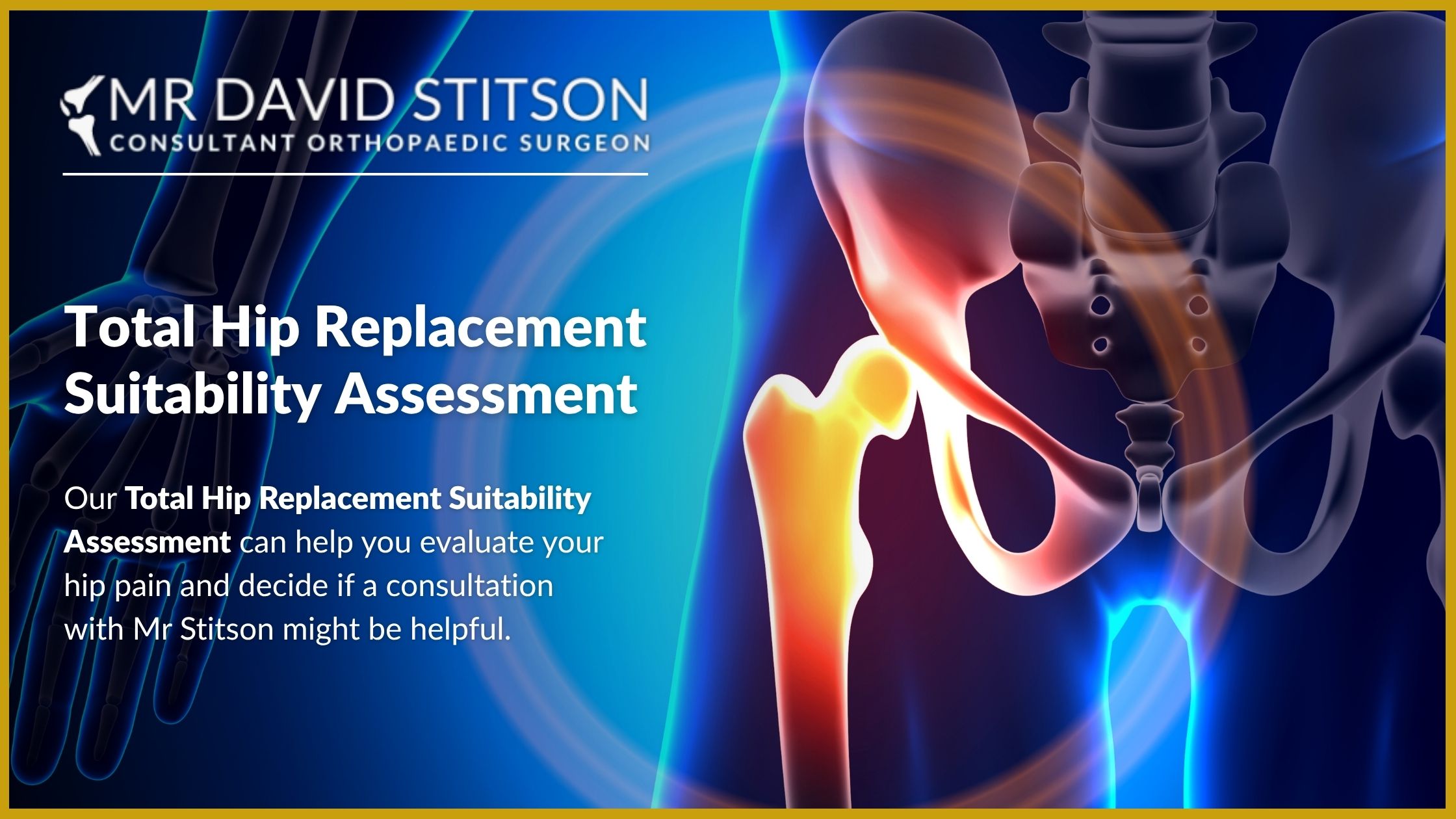
Because several conditions can cause similar symptoms, an accurate diagnosis is essential before starting treatment. This typically involves a physical examination, a discussion of your symptoms and medical history and imaging such as X-ray or MRI where needed.
If you are experiencing persistent or worsening hip pain, Mr David Stitson at Nuffield Health, Plymouth Hospital offers thorough assessment and a full range of treatment options, from conservative management through to surgery, tailored to your individual needs.
Take the Next Step…
If joint pain is stopping you from doing the things you love, book a consultation with Mr Stitson to discuss your options.
– Consult Your GP: If you are experiencing joint pain and are considering surgery, start by booking an appointment with your GP. They will be able to refer you to a specialist if needed.
– Understand Your Options: There are the key avenues you can explore to speed up your access to joint surgery contributing to a swifter recovery and getting you back on your feet sooner.
– Do Your Research: Familiarise yourself with different types of joint replacement procedures and what each one involves.
– Speak with Mr Stitson: Book a consultation with David Stitson, a consultant orthopaedic surgeon based in Plymouth, to discuss what might be the best approach for you personally. He will provide detailed information specific to your situation.
– A consultation helps you understand:
- What is causing your pain
- Whether joint surgery is appropriate
- Alternatives to surgery
- Expected recovery and outcomes
Surgery may sound daunting, but for many, it provides much-needed relief and the chance to regain mobility. This step can be pivotal in improving your quality of life, helping to reduce pain and stiffness in your hip or knee, dramatically.
By addressing the underlying issues, joint surgery can pave the way for a more active lifestyle, allowing you to return to the activities you love without the constant concern of hip or knee pain holding you back.
Taking action now may help you regain confidence, mobility and quality of life.
Get Private Orthopaedic Surgery in Plymouth in just 4-6 weeks
⇒ Consultation in 7 days or less
⇒ Consultation to surgery, 4-6 weeks
About Hip Surgery
Total hip replacement surgery replaces the worn-out painful and stiff hip joint with a new prosthetic joint. This procedure is normally performed under spinal anaesthesia and is commonly followed by a night or two in the hospital. Day-case hip replacement surgery may be an appropriate option for you.

About Mr Stitson
David Stitson is a Plymouth-based Consultant Trauma and Orthopaedic Surgeon. Trained both in the UK and internationally, he has worked in medicine for more than 20 years for the NHS, for the Royal Air Force and in private practice. Mr Stitson operates privately at the Nuffield Health Hospital, Plymouth.

Are you ready to Take the Next Steps to improve your mobility?
Living with constant joint pain is not something you have to accept as part of ageing. Many people in their late 60s and 70s find that a private joint replacement restores their mobility and transforms their quality of life.
📞 To discuss your symptoms and explore whether joint replacement surgery is the right option for you, contact Mr David Stitson, Consultant Orthopaedic Surgeon, at the Nuffield Hospital, Plymouth.
- Call: 01752 761818
- Visit: www.orthopaedicsplymouth.co.uk
- Email: enquiries@orthopaedicsplymouth.co.uk
Take the first step towards a more comfortable, active life today.
The Nuffield Plymouth CQC Rating
The Nuffield Hospital has a history that spans over half a century and has built a reputation for high standards of care, professionalism and expertise in delivering health services. They aim for continuous quality improvement in everything they do.
Active Quality and Governance programmes are in place at the Nuffield Hospital Plymouth. As part of this, the hospital is inspected by independent healthcare regulators to ensure it meets the fundamental standards of quality and safety as determined by the regulating body (CQC).
In the most recent inspection, Plymouth Nuffield Hospital was rated as ‘Good’ overall, however, the surgical element of the inspection was rated as ‘Outstanding’. The hospital was referred to as:
“Outstanding in effective and caring, and
Good in safe, responsive and well-led.”