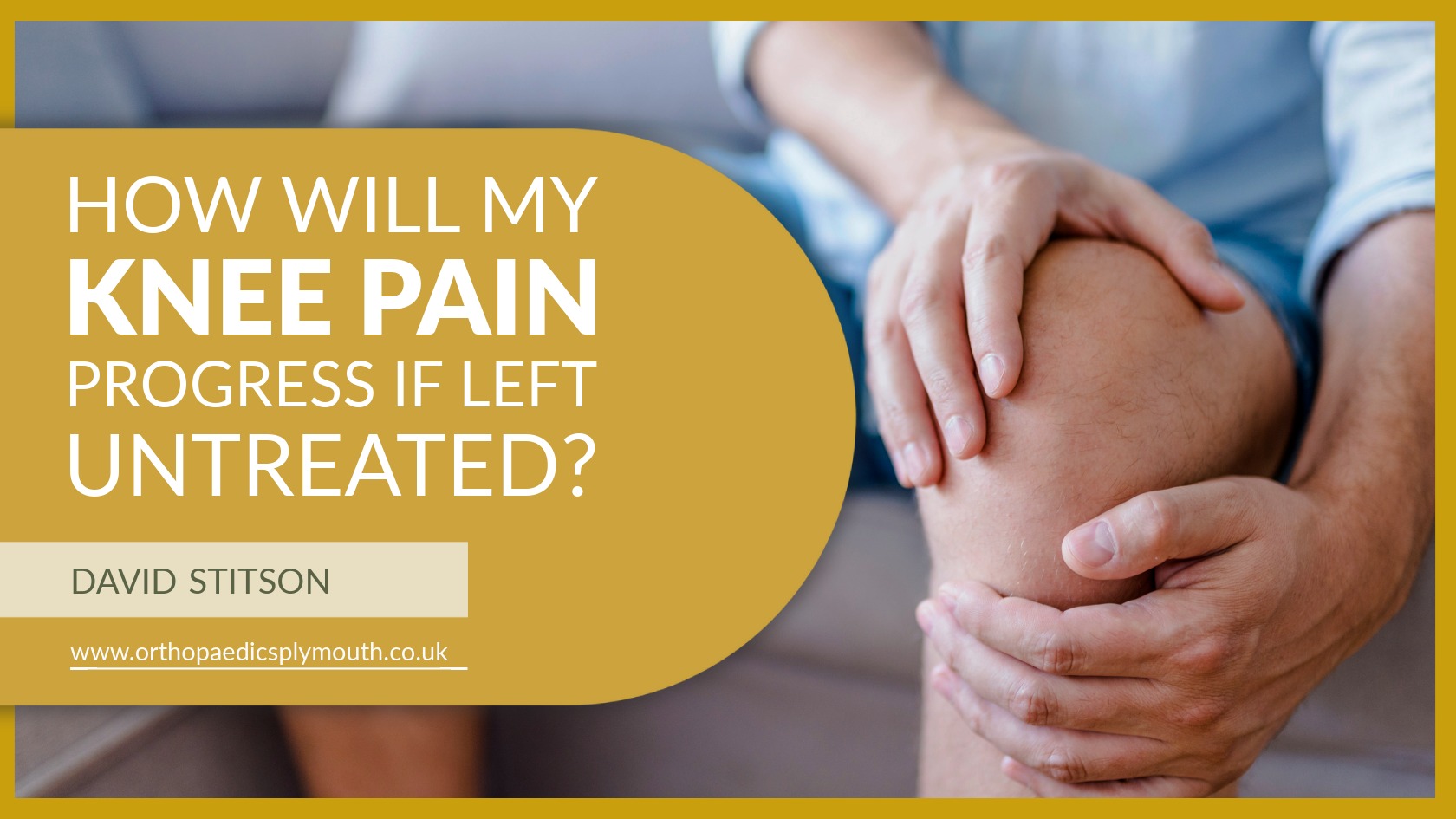
Untreated knee pain can start as a minor irritation but potentially develop into more severe issues over time.
Initially, you might experience sporadic discomfort, especially after physical activity or extended periods of standing. As time passes, the pain can become more frequent and intense.
Contents
Toggle– Inflammation and Swelling: Swelling and inflammation are common as the body attempts to protect the knee. This can lead to stiffness and reduced mobility.
– Cartilage Degeneration: Pain often results from wear and tear of the cartilage, leading to osteoarthritis, a chronic condition where the joint surface cartilage break down, reducing the natural cushioning in the knee.
Ignoring knee pain not only affects your physical capabilities but may also lead to physical adaptations that can stress other areas like the lower back, causing additional problems.
Understanding Knee Pain
Knee pain is a prevalent issue that affects people of all ages. It can stem from various causes, from acute injuries to chronic conditions, impacting how you perform daily activities. Understanding the root cause of knee pain is crucial for effective treatment and prevention of further complications.
Common Causes of Knee Pain
Knee pain can arise from a multitude of reasons. The most common causes include:
– Injuries: Sprains, strains, fractures and ligament tears (such as an ACL injury) are frequent causes of knee pain. These may occur during sports activities, accidents or even simple missteps.
– Overuse: Repetitive actions, especially in sports or physical jobs, can lead to knee pain through conditions like tendinitis or bursitis.
– Medical Conditions: Rheumatoid arthritis, gout and infections can also cause knee pain.
– Obesity: Extra weight adds stress to the knees, often leading to pain or worsening discomfort.
Recognising these causes can help in addressing the pain more effectively through targeted treatments and preventive measures.
Symptoms and Warning Signs of Knee Pain
Knee pain often presents with a range of symptoms, signalling underlying issues. Some warning signs to be aware of include:
– Swelling and Stiffness: Often seen after resting or when waking up.
– Redness and Warmth: Indications of inflammation or infection.
– Weakness or Instability: Making it difficult to stand, walk, or perform specific movements.
– Popping or Crunching Noises: Occurring during movement, which could indicate tissue or joint surface damage.
Ignoring these symptoms can lead to worsening pain and additional complications. Early intervention can prevent further deterioration.
The Impact of Knee Pain on Daily Life
Knee pain can significantly impact everyday activities, reducing your ability to function effectively. Simple tasks become challenging and the pain may adversely affect your quality of life. For instance:
– Mobility Issues: With increased difficulty in walking or climbing stairs, maintaining an active lifestyle becomes problematic.
– Reduction in Physical Activity: Painful knees can deter you from exercising, which is crucial for overall health and weight management.
– Sleep Disruption: Aching knees at night can affect your sleep, leading to fatigue and affecting your mood and cognitive function during the day.
– Emotional and Mental Health: Prolonged suffering can trigger stress, anxiety, or depression.
Addressing knee pain at an early stage can prevent these deteriorations in daily life, promoting a healthier and more active lifestyle.
Potential Progression of Untreated Knee Pain
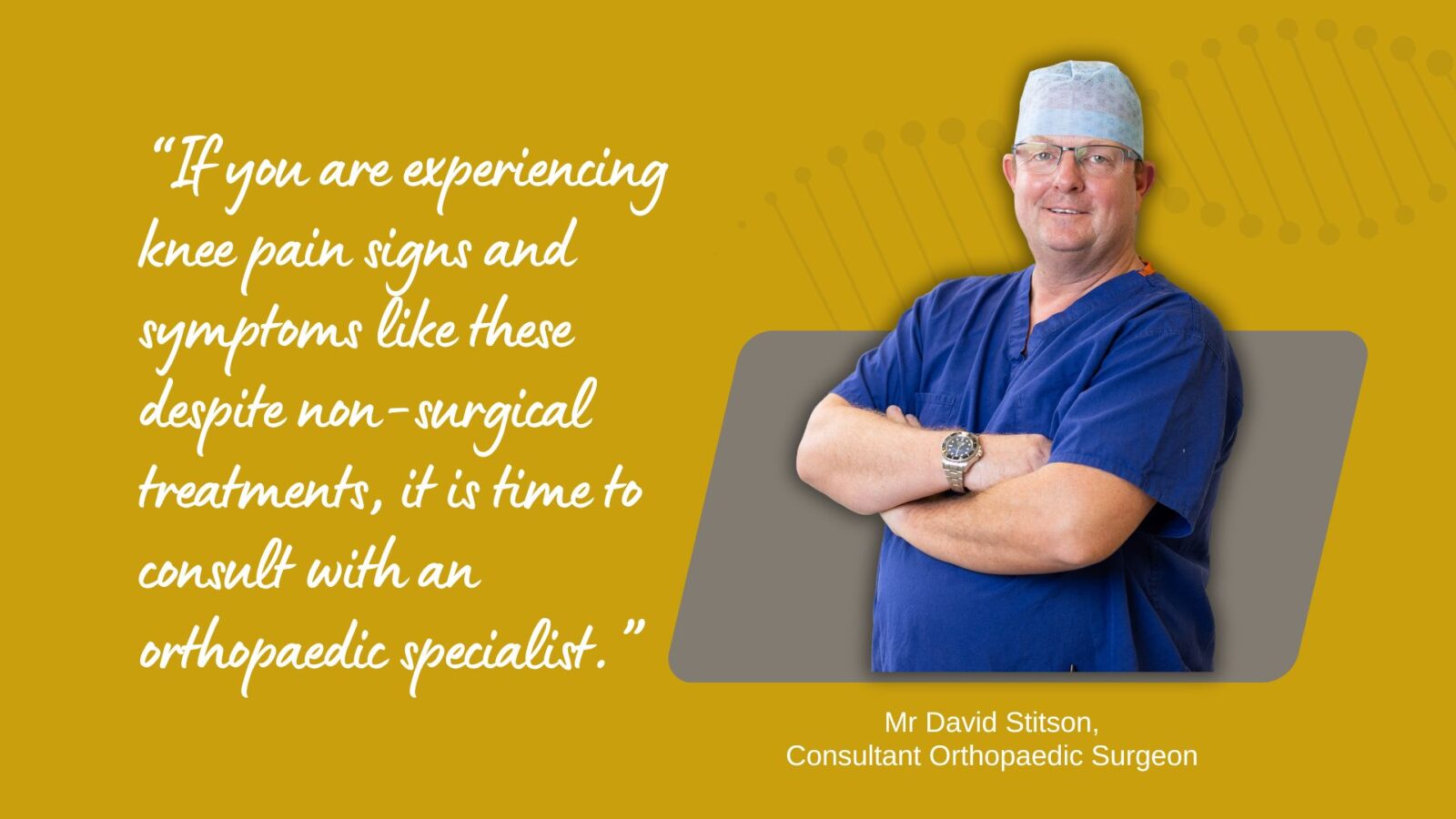
Ignoring knee pain might seem easier in the short term, especially if the pain appears minor. Unfortunately, leaving knee pain untreated can entail significant risks that worsen over time.
Short-Term Risks
In the immediate aftermath of an injury or onset of pain, the short-term effects might appear straightforward. However, without treatment, these can escalate:
– Increased Pain and Swelling: Continued use without treatment could exacerbate the condition, causing intensified pain and inflammation.
– Reduced Range of Motion: Stiffness can set in quickly, making movement difficult and reducing flexibility.
– Compensatory Movement: To alleviate the affected knee, one might unknowingly change their walking pattern.
Addressing the pain promptly can mitigate these issues and prevent the occurrence of more serious problems.
Long-Term Complications
Leaving knee pain unaddressed can lead to more significant, long-term health concerns:
– Chronic Pain and Disability: Persistent knee pain due to untreated injuries can evolve into chronic pain conditions, severely impacting mobility.
– Muscle Atrophy: Lack of use due to pain can lead to weakened muscles around the knee, increasing the risk of further injury.
– Deformities: Degenerative change leading to chronic knee pain can alter joint structure over time, leading to deformities that affect mobility and appearance.
Timely intervention is necessary to reduce the chance of developing potential long-term complications, ensuring a better prognosis for knee health.
Development of Osteoarthritis
One of the most severe consequences of untreated knee pain is the increased risk of developing osteoarthritis over time. Osteoarthritis is a degenerative joint disease characterised by the breakdown of cartilage:
– Cartilage Degeneration: Constant wear and tear without adequate recovery can erode cartilage, leading to osteoarthritis.
– Increased Stiffness and Pain: As osteoarthritis progresses, stiffness becomes more pronounced, further reducing joint mobility.
– Joint Dysfunction: Long-term, untreated knee issues will accelerate joint degeneration, leading to significant functional limitations.
Addressing knee pain before it advances to this stage may prevent or at least delay the onset of osteoarthritis, enhancing both quality of life and joint longevity.
While knee pain might seem trivial initially, failing to treat it can lead to severe and chronic consequences. Recognising symptoms early, understanding the risks, and seeking appropriate medical advice can greatly improve outcomes and maintain a better quality of life.
The Importance of Early Intervention to Relieve Knee Pain
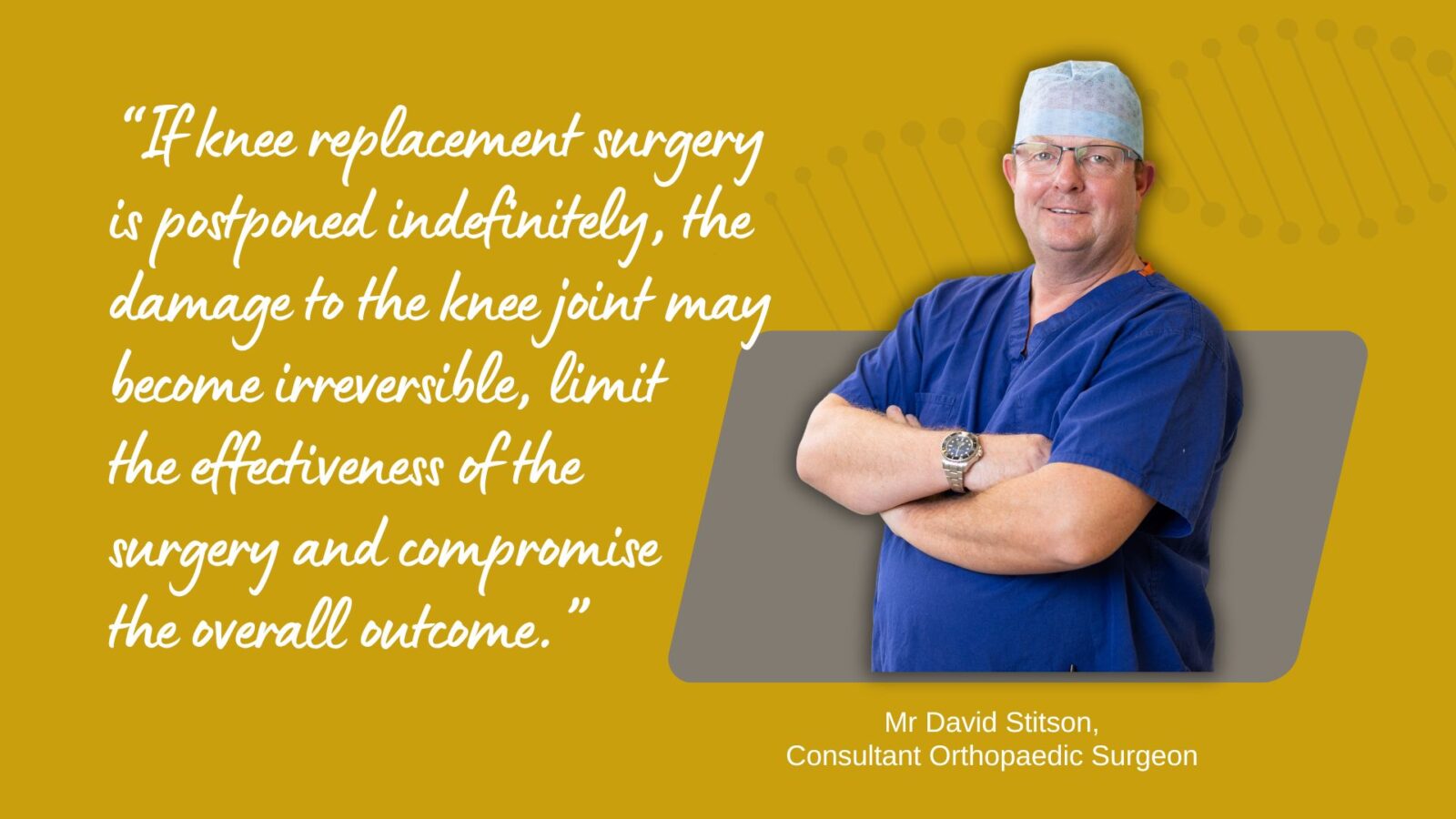
Knee pain is a common issue that can affect individuals of all ages. If left untreated, it can progress and may lead to chronic conditions such as osteoarthritis, significantly impacting your quality of life. Early intervention plays a crucial role in halting or slowing down progression. By addressing knee pain promptly, you may prevent further damage to the joint, reduce inflammation and improve mobility.
Timely treatment can mean the difference between a temporary setback and a lifelong struggle with debilitating pain. Identifying the root cause of knee pain early on can lead to more effective management, reducing the reliance on long-term medication and invasive procedures.
Preventative Measures for Knee Pain
There are several preventative measures one can take to avoid the escalation of knee pain. These include:
– Regular Exercise: Engaging in low-impact activities such as swimming, cycling or walking can strengthen the muscles surrounding the knee, providing better support.
– Maintaining a Healthy Weight: Excess weight puts additional strain on the knees, accelerating the wear and tear of the joint. A balanced diet and regular exercise can help manage weight effectively.
– Proper Footwear: Wearing shoes with good support can alleviate pressure on the knees, reducing pain from daily activities.
– Stretching and Warm-up Routines: Incorporating stretching exercises and warming up before exercises can enhance flexibility and prevent injuries.
Treatment Options
Should knee pain persist despite preventative measures, exploring treatment options is essential. Various treatments can be considered, depending on the severity and underlying cause of the pain:
– Physiotherapy: A trained therapist can design an exercise regimen aimed at enhancing strength, flexibility and mobility in the knee joint.
– Medication: Over-the-counter pain relievers such as ibuprofen can provide temporary relief. In more severe cases, a doctor may prescribe stronger medication or recommend corticosteroid injections.
– Surgical Interventions: For chronic conditions or severe injuries, procedures such as arthroscopy or knee replacement surgery could be necessary.
Lifestyle Adjustments
Adapting certain lifestyle changes can make a significant difference in managing knee health:
– Diet: Incorporate anti-inflammatory foods, such as fish rich in omega-3 fatty acids, to help reduce knee inflammation.
– Activity Modifications: Modify high-impact activities that exacerbate knee pain, opting instead for gentler forms of exercise.
– Home Remedies: Applying cold or heat packs can help soothe pain and reduce swelling in the knee.
Ultimately, understanding the importance of addressing knee pain early, paired with appropriate preventative, treatment and lifestyle strategies can significantly improve quality of life. Ignoring knee pain may lead to chronic pain and limited mobility, making it essential to take action promptly.
Knee Pain FAQs
Q: What are common causes of knee pain?
A: Knee pain can result from various factors, including injuries such as ligament tears or fractures, medical conditions like arthritis or gout and regular wear and tear due to ageing. Overuse and improper body mechanics during physical activities may also contribute to knee discomfort.
Q: Can untreated knee pain lead to other problems?
A: Yes, ignoring knee pain can exacerbate the underlying condition. It can lead to more severe damage in the knee joint, cause muscle imbalances and may increase the risk of developing chronic conditions such as osteoarthritis.
Q: When should I see a doctor for knee pain?
A: Seek medical advice if knee pain persists beyond a few days, is accompanied by swelling, a noticeable deformity or if you are unable to bear weight. Early intervention can prevent further progression and complications.
Q: How is chronic knee pain treated?
A: Chronic knee pain is managed through a combination of therapies such as physical rehabilitation, lifestyle adaptations, medication or in some cases, surgical interventions. A healthcare professional will provide a tailored treatment plan based on the specific cause and intensity of the pain.
Mr Stitson has more than 20 years of experience as a consultant trauma and orthopaedic surgeon and benefits from practising privileges at the Nuffield Hospital, Plymouth. His first consideration is the well-being of his patients by providing high-quality orthopaedic investigation, advice and treatment tailored appropriately to individual requirements.

About Mr Stitson
David Stitson is a Plymouth-based Consultant Trauma and Orthopaedic Surgeon. Trained both in the UK and internationally, he has worked in medicine for more than 20 years for the NHS, for the Royal Air Force and in private practice. Mr Stitson operates privately at the Nuffield Health Hospital, Plymouth.