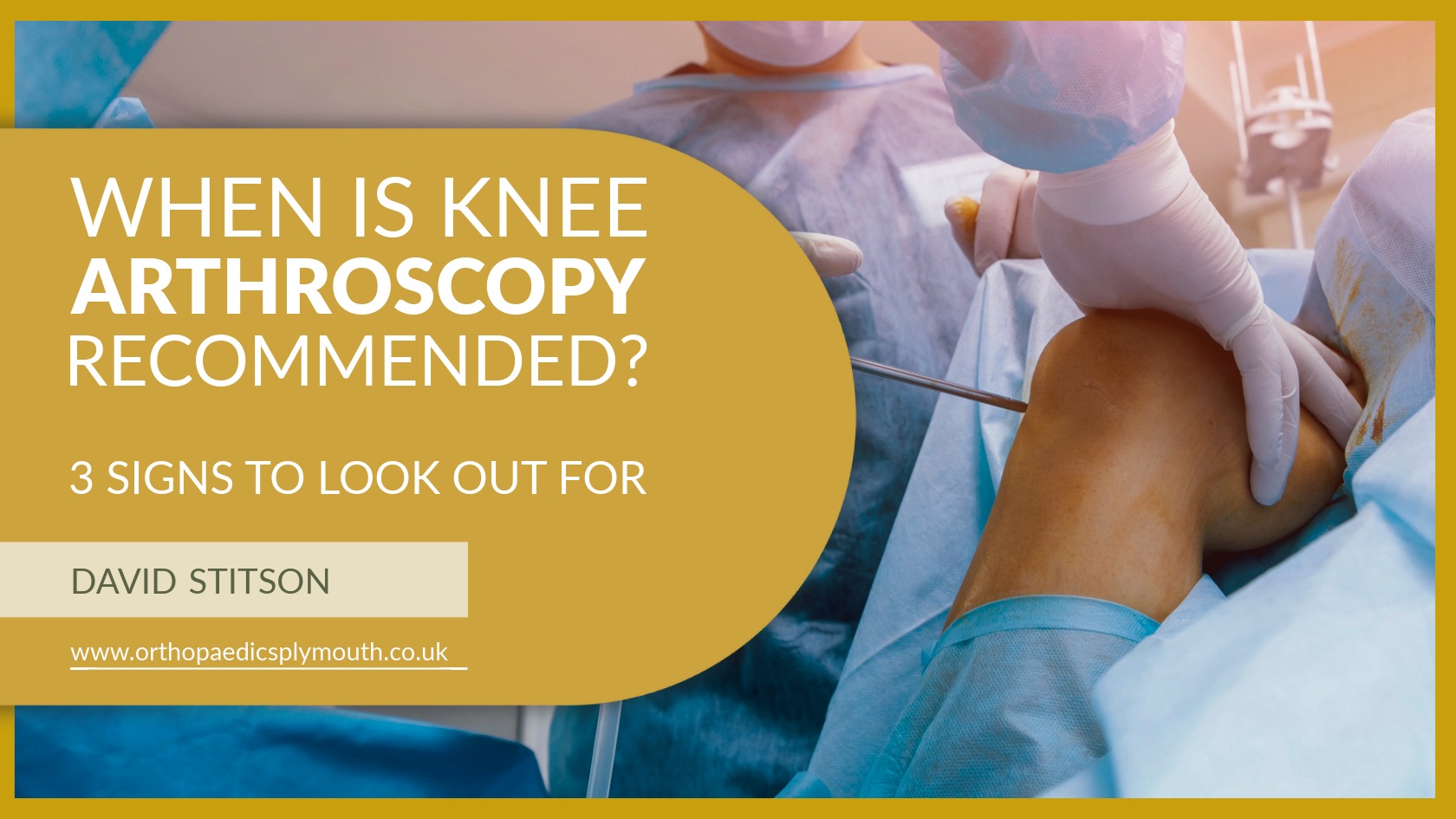
Knee pain can be a real nuisance, often hindering our daily activities and keeping us from doing the things we love.
Whether it’s caused by an injury or simply due to wear and tear over time, addressing knee problems is crucial for maintaining a healthy lifestyle. One effective solution is knee arthroscopy. This minimally invasive surgery can help confirm a diagnosis and treat various knee issues.
Contents
ToggleBut, when exactly is knee arthroscopy recommended? We cover the signs and symptoms that might make this procedure the right choice for you.
About Knee Arthroscopy
Knee pain can significantly impact your daily life, whether it’s struggling with basic movements or enduring chronic discomfort. That’s where knee arthroscopy often comes into the picture as a potential solution. To help you understand this surgical procedure better, let’s look at what knee arthroscopy is, its benefits and the common conditions it can treat.
What is Knee Arthroscopy?
Knee arthroscopy is a type of surgery that allow the surgeon to view the knee joint without making a large cut through the skin and soft tissue. This procedure is considered minimally invasive because it generally involves smaller incisions and less recovery time compared to traditional surgery.
Performed using an arthroscope—a small rigid scope with a camera attached that displays images on a screen—the surgery helps Mr Stitson examine the knee’s interior closely. From this he can identify areas of damage or tackle issues by performing necessary procedures including trimming or repairing a torn meniscus, ligament repair, removal of loose cartilage, debris or loose bodies
Benefits of Knee Arthroscopy Surgery
The biggest allure of knee arthroscopy lies in its minimally invasive nature. Compared to open surgery, the incision footprint is noticeably smaller, which offers numerous benefits:
– Reduced Recovery Time: Patients often experience quicker healing, allowing them to return to daily activities sooner.
– Less Pain Post-Surgery: Smaller incisions typically mean reduced pain and discomfort following the procedure.
– Lower Risk of Infection: With less exposure and handling of tissues, the likelihood of infections decreases.
– Minimal Scarring: Those concerned about scars will be pleased, as the small incisions heal more neatly.
– Better Surgical Outcomes: The precision offered by the arthroscope can lead to more accurate diagnoses and effective treatment interventions.
Common Conditions Treated
Knee arthroscopy is recommended for individuals suffering from various knee issues. It can be particularly effective in treating:
– Torn Meniscus: The meniscus, a piece of cartilage acting as a cushion between your shinbone and thighbone, can tear. Knee arthroscopy can allow for trimming or repair of the damaged parts of the meniscus.
– ACL Injuries: The anterior cruciate ligament, or ACL, is often subject to tears, especially in athletes. Arthroscopy can assist in repairing or reconstructing a torn ACL. The posterior cruciate ligament, or PCL, can also be repaired arthroscopically.
– Damaged Cartilage: Pieces of joint surface cartilage can break off or become damaged due to injury or wear and tear over time. Arthroscopy can be used to remove the fragments. For small full thickness defects, arthroscopic micro-fracture can be used to encourage in-growth of cartilage into the defect.
– Synovial Issues: The synovium, a tissue that lines the joints, can become inflamed or damaged. Arthroscopy can assist in diagnosing and treating these conditions.
– Knee Cap Disorders: Misalignment or improper movement of the kneecap can cause pain and be corrected with arthroscopy.
3 Signs You Might Need a Knee Arthroscopy
While knee pain and discomfort are not uncommon, they can sometimes indicate a more serious underlying problem that could benefit from knee arthroscopy. Here are some signs that might suggest it’s time to consult your doctor about this procedure:
1. Persistent Knee Pain
Chronic knee pain that doesn’t subside with rest, ice or over-the-counter medications might be a red flag. Unlike temporary pain after physical activity, persistent pain can hinder your ability to perform routine activities such as walking, climbing stairs, or even standing. When pain becomes a constant companion, it might indicate internal damage or conditions that knee arthroscopy can address.
2. Joint Swelling and Stiffness
Swelling and stiffness can occur after an injury or due to a chronic condition, making it difficult to bend or straighten the knee completely. If these symptoms persist beyond a few days or weeks, it may be due to an underlying issue such as torn cartilage, excessive synovial fluid or other kinds of soft tissue damage.
It is worth noting that recurrent swelling or stiffness can lead to further complications if left untreated. Knee arthroscopy might not only clarify the specific cause but also potentially offer relief through appropriate surgical intervention.
3. Limited Range of Knee Motion
Our knees are supposed to provide seamless movement as we engage in our daily activities. When you experience a notable decrease in your knees’ range of motion, such as difficulty fully bending or straightening your leg, something might be amiss. The restriction can stem from various issues, including scar tissue, damaged cartilage or fragments of bone or tissue impeding motion. In such scenarios, knee arthroscopy might be a viable option to explore and rectify the hindrances within the joint.
While not every knee issue necessitates arthroscopy, recognising these signs can lead you to seek timely medical advice. Discussing your symptoms with a healthcare provider could uncover the benefits of minimally invasive surgical techniques like knee arthroscopy, potentially returning you to a pain-free, active lifestyle. Always consult a specialist for a thorough examination and personalised recommendations.
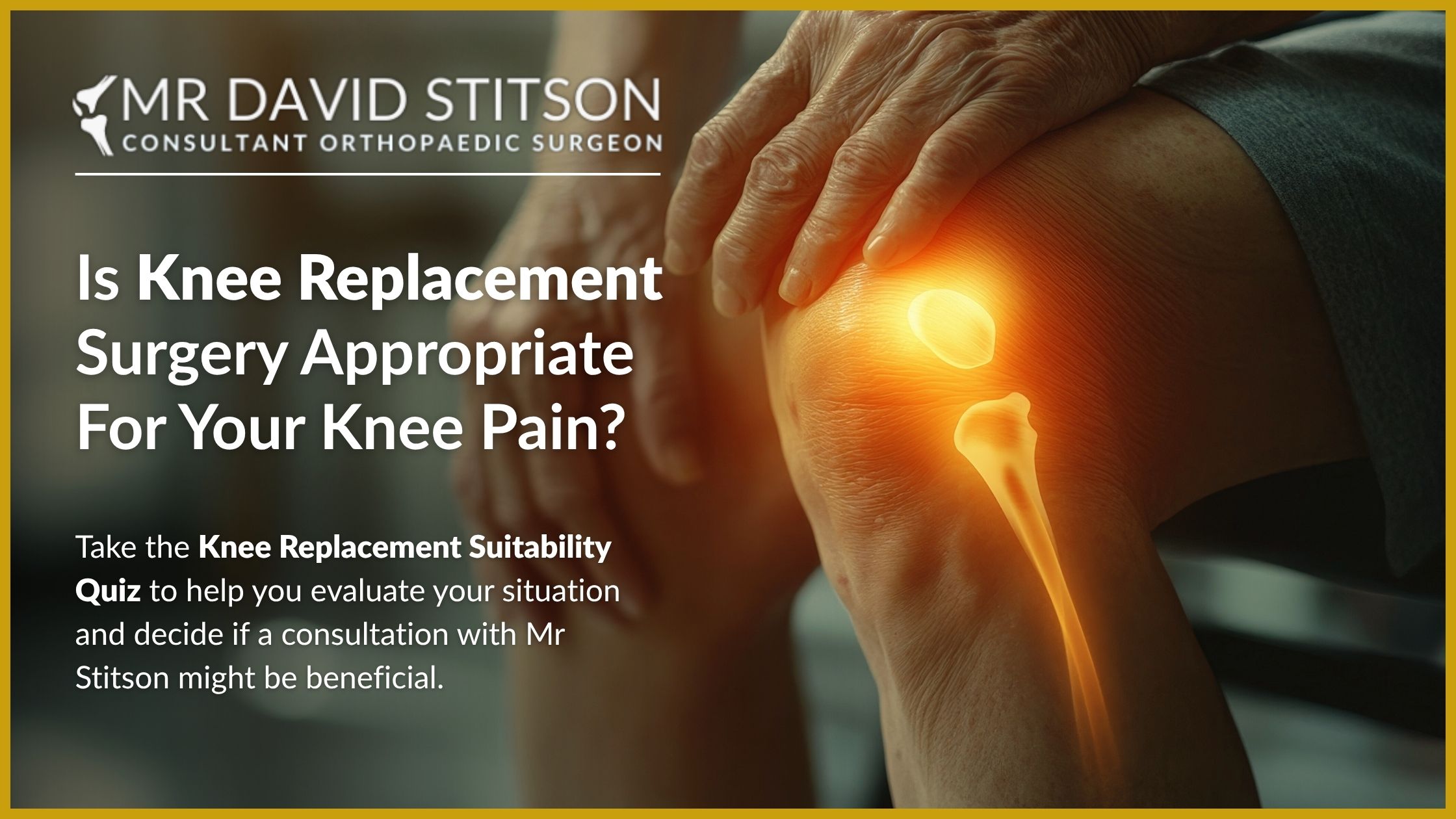
Knee Injuries Requiring Arthroscopy
Knee arthroscopy is often recommended when the knee is not responding to conservative treatments like rest, physiotherapy or medications. It is a minimally invasive surgery that allows Mr Stitson to both diagnose and treat knee issues using small incisions and a camera.
Here are some common knee injuries where arthroscopy might be the optimal choice.
Torn Meniscus
The meniscus is a crucial cartilage pad in your knee that acts as a shock absorber. It is not only necessary for protecting your knee from wear and tear, but it also helps maintain stability and motion. A torn meniscus can occur during activities that cause you to twist or rotate your knee aggressively, such as pivoting or sudden stops. If you experience:
– Pain, particularly when twisting or rotating your knee
– Swelling around the knee joint
– A feeling that your knee is giving way or locking up
These symptoms might indicate a torn meniscus for which arthroscopy can be effective in repairing or trimming the damaged cartilage, potentially restoring your knee function and relieving pain.
Ligament Injuries
Ligaments are the tough bands of fibrous tissue that connect bones to each other. The knee has several, but the anterior cruciate ligament (ACL) is often the most commonly injured, particularly in athletes. An ACL tear can happen from a rapid change in direction, stopping suddenly, or landing incorrectly from a jump. Arthroscopy can be beneficial to:
– Diagnose the extent of the ligament damage
– Repair or reconstruct the ligament using a graft if needed
Prompt treatment can help you regain stability and prevent further joint swelling and injury, making a world of difference in getting you back on your feet.
Cartilage Damage
The joint surface, or articular, cartilage is essential for smooth motion and cushioning in the knee. Damage can lead to painful conditions like osteoarthritis. Typically, cartilage damage doesn’t heal on its own due to the inert nature of the cartilage. Symptoms suggesting such damage include:
– Persistent knee pain
– Stiffness and reduced range of motion
– Swelling or a grinding sensation during movement
– Locking or giving way
Arthroscopic surgery can help remove loose fragments, smooth the joint surfaces or even stimulate cartilage growth, allowing you to return to everyday activities.
If you are experiencing any of the above issues and haven’t found relief through other treatments, knee arthroscopy might be the solution you need to improve your knee health and get back to an active lifestyle.
Remember, always consult with your healthcare provider to discuss the best treatment options for your specific situation.
Get Private Orthopaedic Surgery in Plymouth in just 4-6 weeks
⇒ Consultation in 7 days or less
⇒ Consultation to surgery, 4-6 weeks
Knee arthroscopy FAQs
Q: What is knee arthroscopy?
A: Knee arthroscopy is a minimally invasive surgical procedure used to diagnose and treat problems inside the knee joint. It involves making small incisions and inserting a camera, allowing Mr Stitson to see, diagnose and treat knee issues without needing a large incision.
Q: How long does recovery take after knee arthroscopy?
A: Recovery time can vary depending on the individual and the extent of the surgery. Generally, patients can return to normal activities within in a few weeks, but a full recovery can take several months. Following your doctor’s or physiotherapist’s rehab plan is crucial for a smooth recovery.
Q: Are there any risks associated with knee arthroscopy?
A: While knee arthroscopy is considered safe, like any surgery, it does come with some risks. These can include infection, blood clots or damage to nearby structures. It is essential to discuss potential risks with Mr Stitson before the procedure.
Q: How will I know if I’m a candidate for knee arthroscopy?
A: Mr Stitson will evaluate your symptoms, medical history and possibly perform imaging tests. Usually, candidates for this procedure have conditions such as torn ligaments or meniscus, damaged cartilage or occaisionally unexplained knee pain that hasn’t improved with non-surgical treatments.